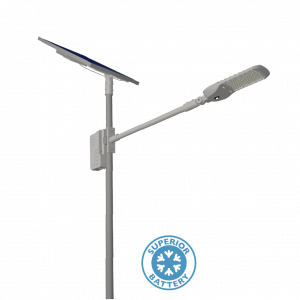
SATELIS PRO Series
Municipal-grade heavy-duty solar area light. Features high lumen packages up to 200 Lm/W output, adjustable solar panel arm, and 7-day battery autonomy for extreme environments.
View Technical Specs
An authoritative analysis of optical photometry, zero-trenching financial engineering, LiFePO4 battery longevity, and municipal-grade reliability for global commercial infrastructure.
The global commercial outdoor lighting sector is undergoing a structural transition. For decades, facility engineers, municipal planners, and commercial real estate developers relied exclusively on traditional AC grid-tied high-pressure sodium (HPS), metal halide, or wired LED luminaires to illuminate expansive parking structures, commercial centers, transit hubs, and industrial parks. However, traditional grid installations carry substantial financial liabilities: expensive underground trenching ($25 to $60 per linear foot), heavy conduit installation, transformer step-down gear, environmental disruption, continuous utility tariff inflation, and high operational downtime during grid failure events.
High-efficiency off-grid Solar Parking Lot Lights have evolved from niche solar novelties into municipal-grade, highly engineered primary lighting assets. Driven by breakthroughs in ultra-high-efficacy solid-state LEDs (reaching 200 Lm/W efficiency), high-yield monocrystalline silicon photovoltaic (PV) modules, Maximum Power Point Tracking (MPPT) micro-controllers, and Grade-A Lithium Iron Phosphate (LiFePO4) energy storage cells, modern commercial solar lighting systems outperform AC alternatives across key financial, operational, and environmental metrics.
In retrofit or new construction parking lot projects, zero-trenching off-grid solar architecture completely eliminates the single largest line item in outdoor lighting budgets: subterranean civil works. By avoiding asphalt cutting, soil remediation, conduit pulling, and utility interconnect agreements, enterprise buyers frequently capture upfront capital expenditure savings ranging from 35% to 65%, while achieving a complete Return on Investment (ROI) within 12 to 24 months of deployment.
This technical whitepaper examines the core architectural principles, optical distributions (IES Type II/III/IV), battery chemical stability, dynamic dimming protocols, global procurement trends, and engineering selection parameters essential for specifying enterprise-grade solar parking lot light installations.
Ultra-High Efficacy Output
Manufacturing Expertise
Proprietary ISO Factories
Continuous Autonomy
Utility Electric Bills
Selecting commercial-grade solar parking lot light fixtures requires a thorough technical evaluation of four major integrated sub-systems: the photovoltaic generator, the energy storage matrix, the intelligent power controller, and the solid-state optical luminaire.
Modern commercial solar luminaires demand maximum power conversion within a compact surface area to minimize wind loading (Effective Projection Area - EPA) on light poles. Advanced monocrystalline solar panels utilize PERC (Passivated Emitter and Rear Cell) or N-Type TOPCon cells achieving module conversion efficiencies exceeding 23.5%. Superior temperature coefficient performance ensures optimal energy harvesting even under elevated ambient heat conditions common in asphalt parking environments.
Unlike legacy lead-acid, AGM, or nickel-metal hydride batteries, Grade-A Lithium Iron Phosphate (LiFePO4) represents the gold standard for commercial solar outdoor lighting. LiFePO4 cells offer remarkable thermal stability (operating safely from -20°C to +65°C), high chemical safety against thermal runaway, and an industry-leading cycle life exceeding 4,000 deep discharge cycles at 80% Depth of Discharge (DoD). This translates directly into a 10 to 12-year operational lifespan without battery maintenance or replacement.
The operational controller functions as the brain of the solar light system. SOLTECH utilizes proprietary Maximum Power Point Tracking (MPPT) micro-controllers that dynamically monitor the voltage and current characteristics of the PV panel, harvesting up to 30% more energy compared to basic Pulse Width Modulation (PWM) circuits. Integrated firmware dynamically regulates light output via pulse-width modulation dimming algorithms, tailoring wattage based on real-time battery state-of-charge (SoC) and ambient light sensors to guarantee consistent night-after-night illumination regardless of adverse seasonal weather.
Proper parking lot lighting demands strict compliance with IES RP-20-14 standards for parking facilities. Commercial fixtures must deliver precise illumination without causing blinding glare to drivers or trespass light onto adjacent residential properties. SOLTECH luminaires feature custom-molded PMMA optical lenses providing IES Type II, Type III, and Type IV beam distributions with zero upward light waste (U0 rating under IES BUG ratings), maximizing ground footprint coverage and pole spacing while minimizing fixture counts.
SOLTECH designs and manufactures a full range of commercial solar parking lot lighting systems tailored to specific mounting heights, foot-candle requirements, and geographic solar radiation zones. All models integrate high-efficacy Lumileds LED chips, aerospace-grade aluminum housings, and intelligent energy management components.
Municipal-grade heavy-duty solar area light. Features high lumen packages up to 200 Lm/W output, adjustable solar panel arm, and 7-day battery autonomy for extreme environments.
View Technical Specs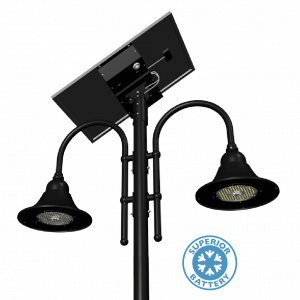
Architectural post-top and slip-fitter decorative solar light designed for upscale commercial centers, corporate campuses, retail plazas, and urban avenues.
View Technical Specs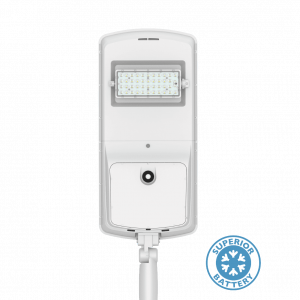
All-in-one integrated commercial solar parking light featuring sleek die-cast aluminum casing, 360-degree adjustable tilt brackets, and high-efficiency optics.
View Technical Specs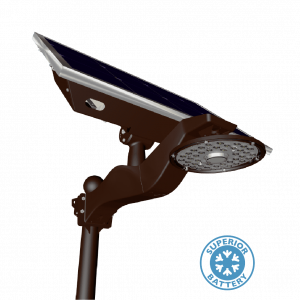
Streamlined aerodynamic solar luminaire engineered for extreme wind resistance. Ideal for coastal commercial parking lots and high-velocity wind zones.
View Technical Specs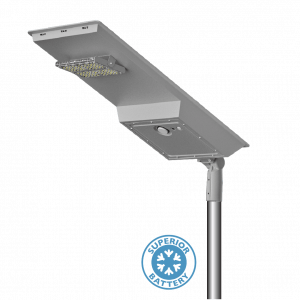
Dual-power solar and AC grid backup system. Prioritizes solar energy while seamlessly auto-switching to grid power during prolonged inclement weather.
View Technical Specs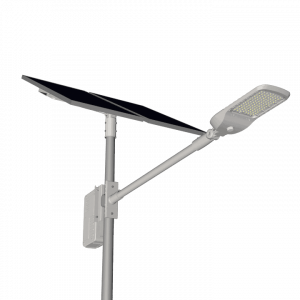
Proven workhorse for standard commercial parking space illumination, logistics terminals, and municipal perimeter safety lighting.
View Technical SpecsAs corporate ESG (Environmental, Social, and Governance) mandates tighten globally and smart city infrastructure expands, enterprise buyers are prioritizing advanced intelligence, grid resistance, and supply chain compliance in solar lighting procurement.
The standard standalone solar light is giving way to networked IoT-enabled solar light nodes. Procurement managers increasingly mandate wireless protocols such as Zigbee, LoRaWAN, or cellular NB-IoT. Integrated remote monitoring platforms allow facilities managers to perform automated health audits, monitor real-time battery voltage, track cumulative carbon offset metrics, and adjust dimming profiles across thousands of distributed parking fixtures via a single cloud software dashboard.
Severe winter conditions present major challenges to off-grid solar performance. Next-generation solar parking lot lights feature bifacial PV panel glass that captures indirect albedo radiation reflected from surrounding snow, generating heat to shed snow loads rapidly. Furthermore, internal battery compartments now feature self-heating micro-thermostats powered by PV input during sunrise, restoring battery core temperatures to optimal charging ranges even in sub-zero North American or European winters.
Government, military, and federally funded infrastructure projects in North America are increasingly enforcing Buy American Act (BAA) compliance and stringent supply chain traceability. Enterprise procurement requires audited manufacturing origin data for aluminum castings, solid-state LED chips, and micro-electronics to ensure full compliance with municipal public works funding requirements.
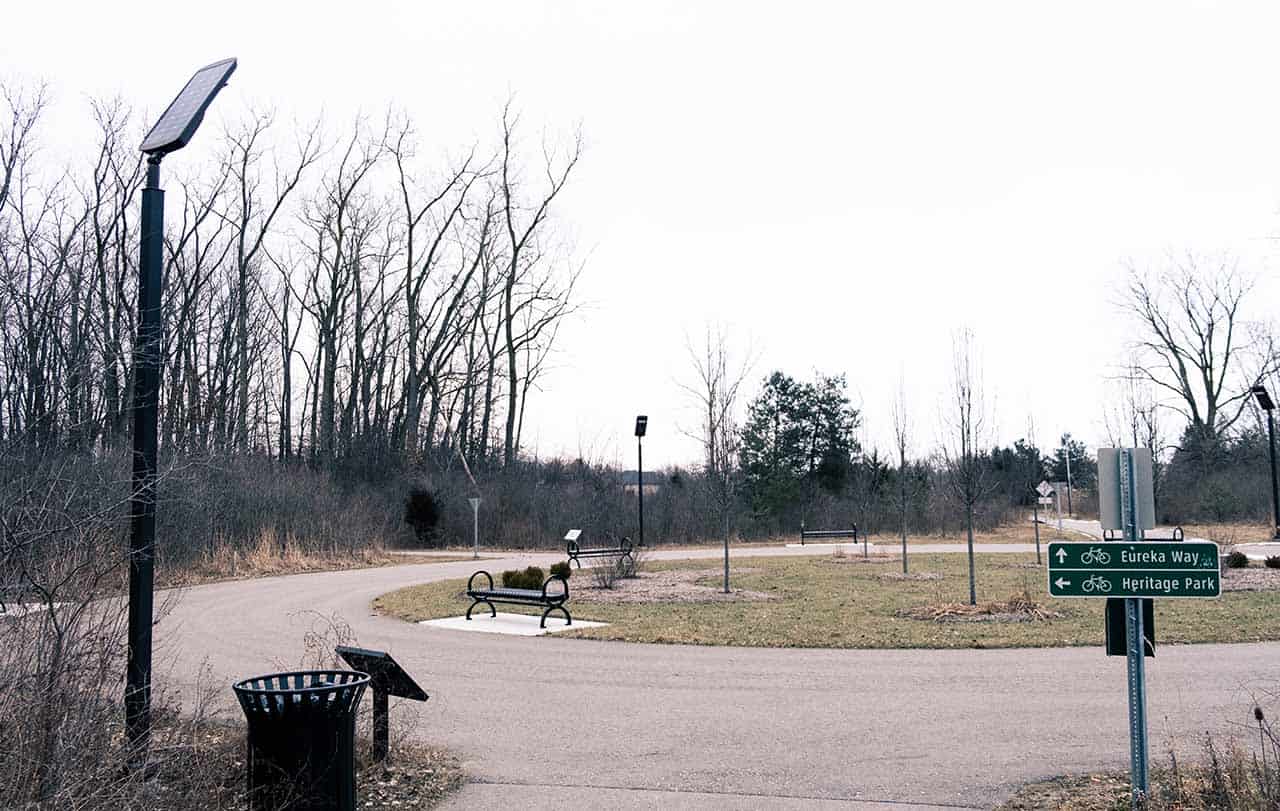
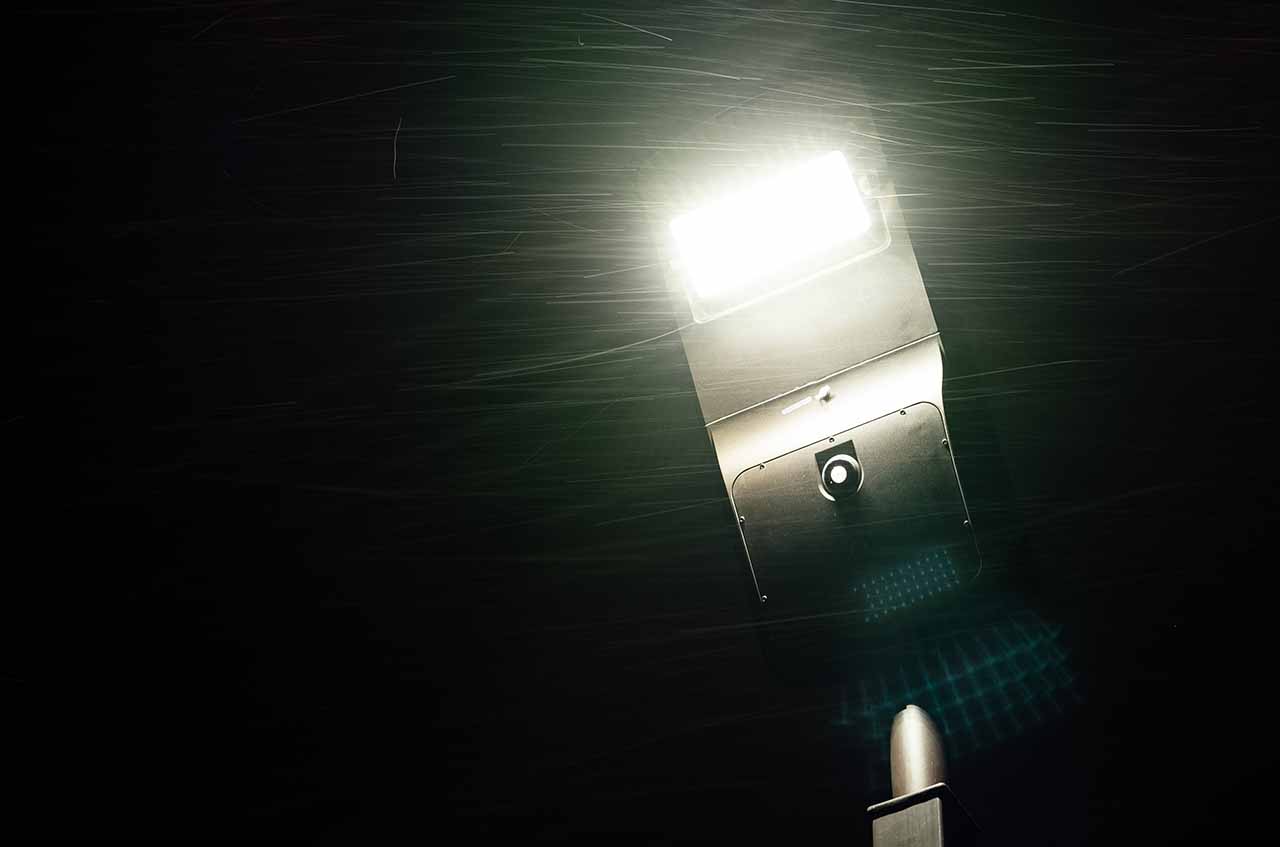
SOLTECH solar parking lot lights are field-proven across diverse climatic zones, ranging from frozen northern regions to humid coastal environments. Below are real-world enterprise installations illustrating off-grid performance consistency.

As a global leader in solid-state solar illumination, SOLTECH combines over 20 years of continuous manufacturing experience with end-to-end vertical integration. We manufacture complete solar lighting systems from the ground up, guaranteeing quality control across every single component.
Unlike assemblers who outsource critical components, SOLTECH owns and operates 5 proprietary manufacturing plants covering aluminum die-casting, SMT LED placement, optical lens extrusion, battery pack assembly, and automated high-voltage burn-in testing.
By pairing premium Lumileds LED chips with custom optical refractors, SOLTECH luminaires deliver up to 200 lumens per watt. High efficacy means lower power draw, allowing smaller solar panels and longer battery autonomy.
Engineered for mission-critical reliability, SOLTECH commercial solar systems feature oversized LiFePO4 battery banks capable of powering fixtures for up to 7 consecutive night shifts without any solar recharge.
SOLTECH products are stocked and backed by leading electrical distributors nationwide, including WESCO, Border States Electric, Platt Electric Supply, WinSupply, and Lonestar Electric Supply.
Certified & Validated by Recognized Standards:





Below are detailed technical answers to the most common questions searched by global procurement officers, electrical engineers, and facility managers regarding commercial Solar Parking Lot Lights.
A: For a standard 100-space commercial parking lot (covering approximately 30,000 to 35,000 sq. ft.), standard IES RP-20-14 guidelines recommend maintaining an average illuminance of 0.5 to 1.5 foot-candles (FC) with a maximum-to-minimum uniformity ratio of 4:1. Utilizing SOLTECH SATELIS PRO or SUNLIKE PRO fixtures mounted at 20 to 25 feet on single or double arm poles with Type III optical distribution, an enterprise layout typically requires 8 to 12 fixtures spaced 60 to 80 feet apart. SOLTECH provides complimentary AGi32 photometric layout simulations to specify exact pole counts and locations before purchase.
A: System autonomy is achieved through careful energy balance engineering between the PV harvest capacity, MPPT controller efficiency, and battery sizing. SOLTECH systems integrate Grade-A LiFePO4 battery packs sized specifically to deliver 7 consecutive nights of full operational autonomy (over 84 hours of run-time) without receiving any solar recharge. Furthermore, smart MPPT firmware monitors daily state-of-charge (SoC) trends and dynamically adjusts output power profiles during prolonged cloudy conditions, preventing battery depletion and guaranteeing uninterrupted light coverage.
A: Traditional grid-tied AC parking lot lighting involves massive hidden infrastructure costs. Underground trenching, directional boring, conduit installation, transformer step-down gear, copper wiring runs ($25-$60 per linear foot), and electrical utility hookup fees typically account for 60% to 70% of total project costs. Off-grid solar parking lot lights eliminate 100% of trenching, cabling, electrical permits, and monthly electric utility charges. As a result, commercial solar lighting projects achieve total capital payoff (ROI) within 12 to 24 months, followed by zero energy expenditure over their 20-year design life.
A: SOLTECH commercial solar luminaires are engineered for cold-climate resilience. Battery compartments feature thermal insulation along with integrated self-heating thermal management circuits powered by solar energy prior to charge acceptance, protecting battery cells down to -40°F (-40°C). Photovoltaic panels are mounted at optimized inclination angles (typically 30° to 60° depending on latitude) to facilitate passive snow shedding. Additionally, smooth solar panel surfaces absorb solar heat during daybreak, rapidly melting thin frost or ice layers.
A: Optical selection depends on pole location within the parking lot layout:
• Type III Distribution: The standard choice for perimeter and interior parking rows, projecting light forward and sideways to create a wide rectangular footprint over parking bays and driving lanes.
• Type IV Distribution: Recommended for perimeter poles situated directly along property lines, projecting light forward into the lot while cutting off backlight to prevent light trespass on neighbouring lots.
• Type II Distribution: Designed for long, narrow entrance driveways, access roadways, and perimeter walkways leading into the primary lot.
A: Off-grid solar parking lot lights are virtually maintenance-free. Because there are no buried cables, transformers, or external relays, standard maintenance is limited to periodic visual inspections and cleaning the PV glass surface every 2 to 3 years in environments with high dust or industrial airborne grime. SOLTECH LiFePO4 batteries carry a operational lifespan of 10 to 12 years, after which battery packs can be swapped out quickly via modular quick-connect harness plugs without replacing the light pole or fixture chassis.