The international procurement landscape for commercial solar decorative area lighting is undergoing a rapid transition driven by climate policies, rising municipal electricity costs, infrastructure vulnerability, and advancing battery chemistries. Procurement managers and municipal specifiers across North America, Europe, the Middle East, and Asia-Pacific are reshaping their tender specifications based on four dominant global macro-trends:
Trend A: Complete Elimination of Civil Infrastructure & Trenching Costs
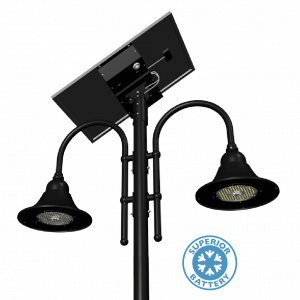
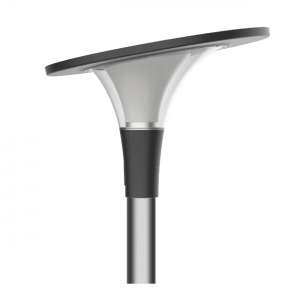
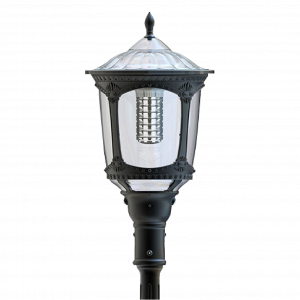
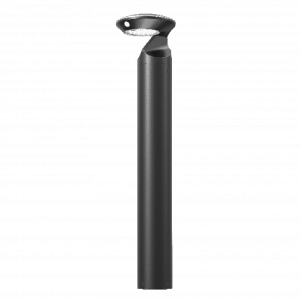
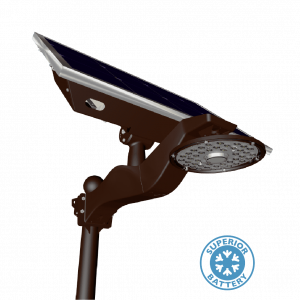
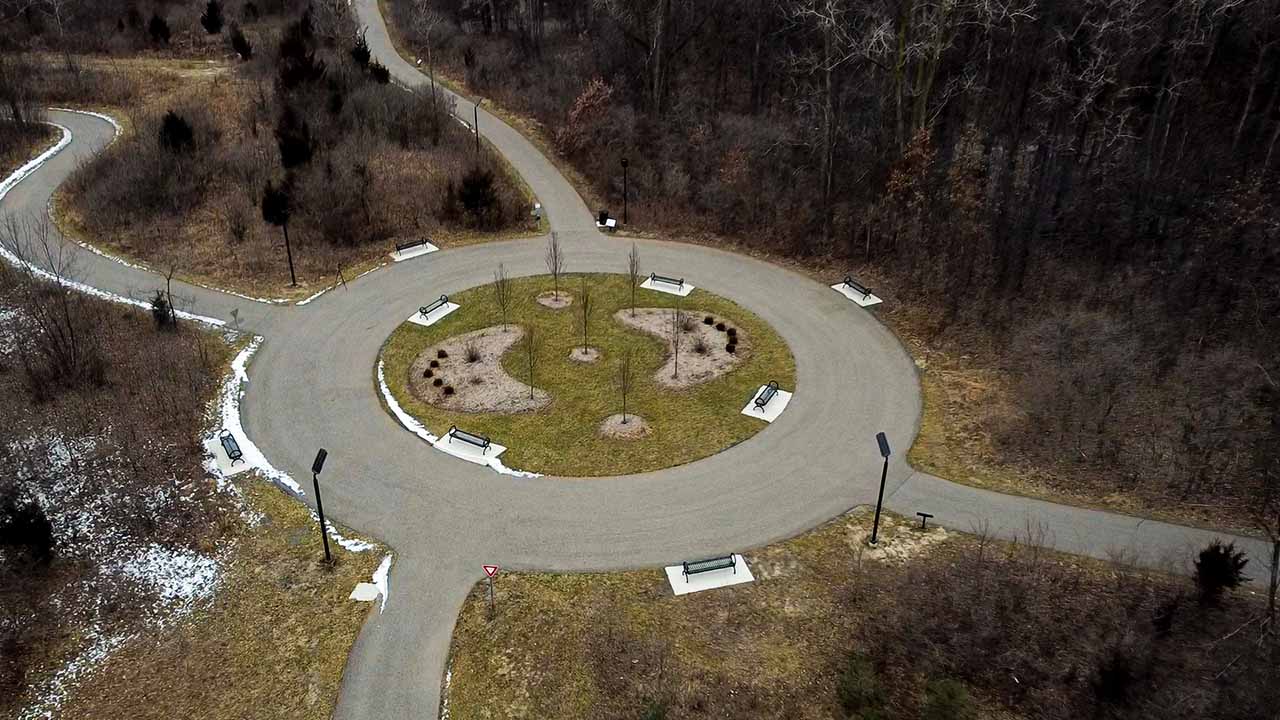
The single largest driver for specifying solar decorative area lights over traditional AC grid lighting is the reduction of upfront capital expenditure (CapEx). Installing traditional wired post-top lights requires extensive asphalt cutting, trenching through landscape beds, laying heavy copper conduit, installing step-down transformers, and securing utility interconnection permits. In urban retrofit projects, civil trenching costs routinely exceed $70 to $150 per linear foot. By deploying off-grid solar decorative lights such as the SOLTECH MORAGA or ORINDA PRO, contractors eliminate 100% of trenching and electrical infrastructure expenses. The fixtures bolt directly onto engineered concrete anchors, reducing project installation schedules from weeks to a single day.
Trend B: ESG Mandates & Municipal Decarbonization Requirements
Governments, commercial real estate developers, and Fortune 500 enterprises are bound by strict Environmental, Social, and Governance (ESG) mandates requiring documented carbon footprint reductions. Municipalities are actively replacing aging high-pressure sodium (HPS) and metal halide street/park lighting with zero-emissions off-grid solar luminaires. Solar decorative area lights serve as visible evidence of corporate sustainability initiatives while directly reducing Scope 1 and Scope 2 greenhouse gas emissions. Furthermore, projects receiving federal or municipal grant funding often mandate compliance with standards such as the Buy American Act (BAA) or Dark Sky preservation guidelines—areas where specialized manufacturers like SOLTECH provide pre-certified product options.
Trend C: Shift Toward Smart Control & IoT-Enabled Energy Management
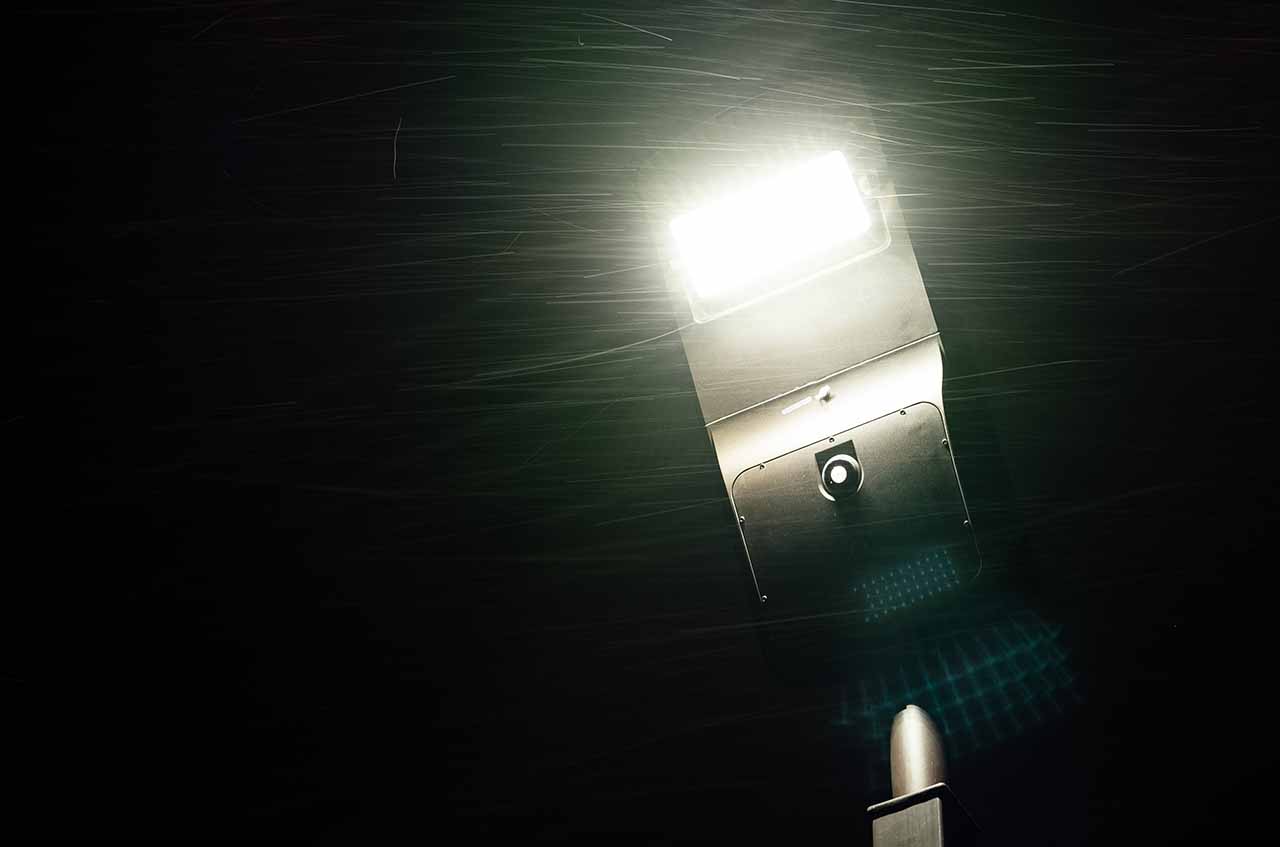
Global procurement bids increasingly reject "dumb" solar fixtures that run at fixed power levels until their batteries drain. Modern RFP specifications require intelligent energy management systems featuring dynamic pulse-width modulation (PWM) or Maximum Power Point Tracking (MPPT) micro-controllers, microwave motion sensors, and automated multi-stage dimming profiles. Smart solar decorative area lights operate on adaptive profiles—for example, illuminating at 100% output during high-pedestrian evening hours (6:00 PM to 10:00 PM), auto-dimming to 30% during late-night hours, and ramping back to 100% upon detecting motion. This dynamic energy preservation allows solar decorative lights to maintain consistent operation even during severe multi-week overcast conditions.
Trend D: Power Grid Resilience & Climate Adaptation
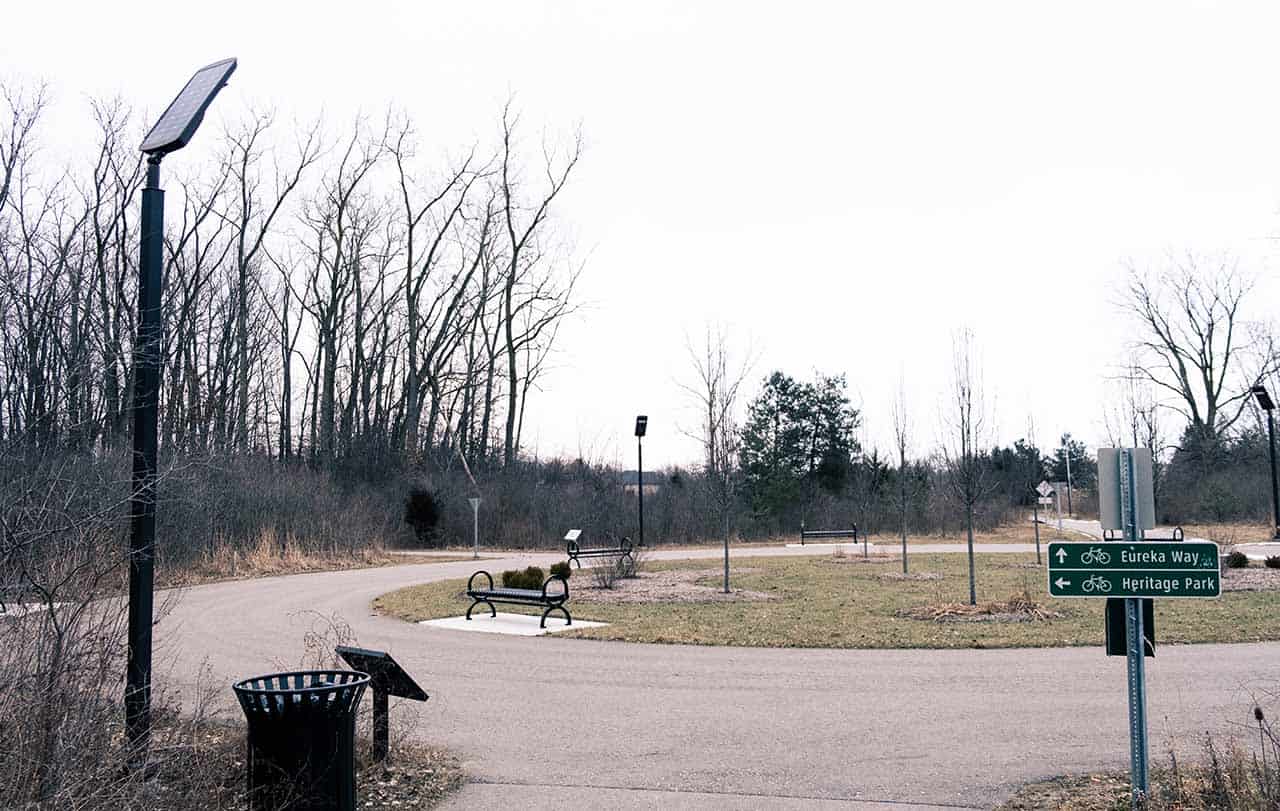
With extreme weather events, hurricanes, wildfires, and winter storms causing frequent grid blackouts, reliance on centralized AC power grids for emergency outdoor illumination poses a significant public safety risk. Off-grid solar decorative area lights operate completely independent of the power grid, ensuring that public parks, emergency pathways, municipal plazas, and commercial perimeters remain fully illuminated during local power outages. This inherent resilience has made solar decorative lighting a mandatory specification for resilient city planning and disaster-preparedness developments globally.