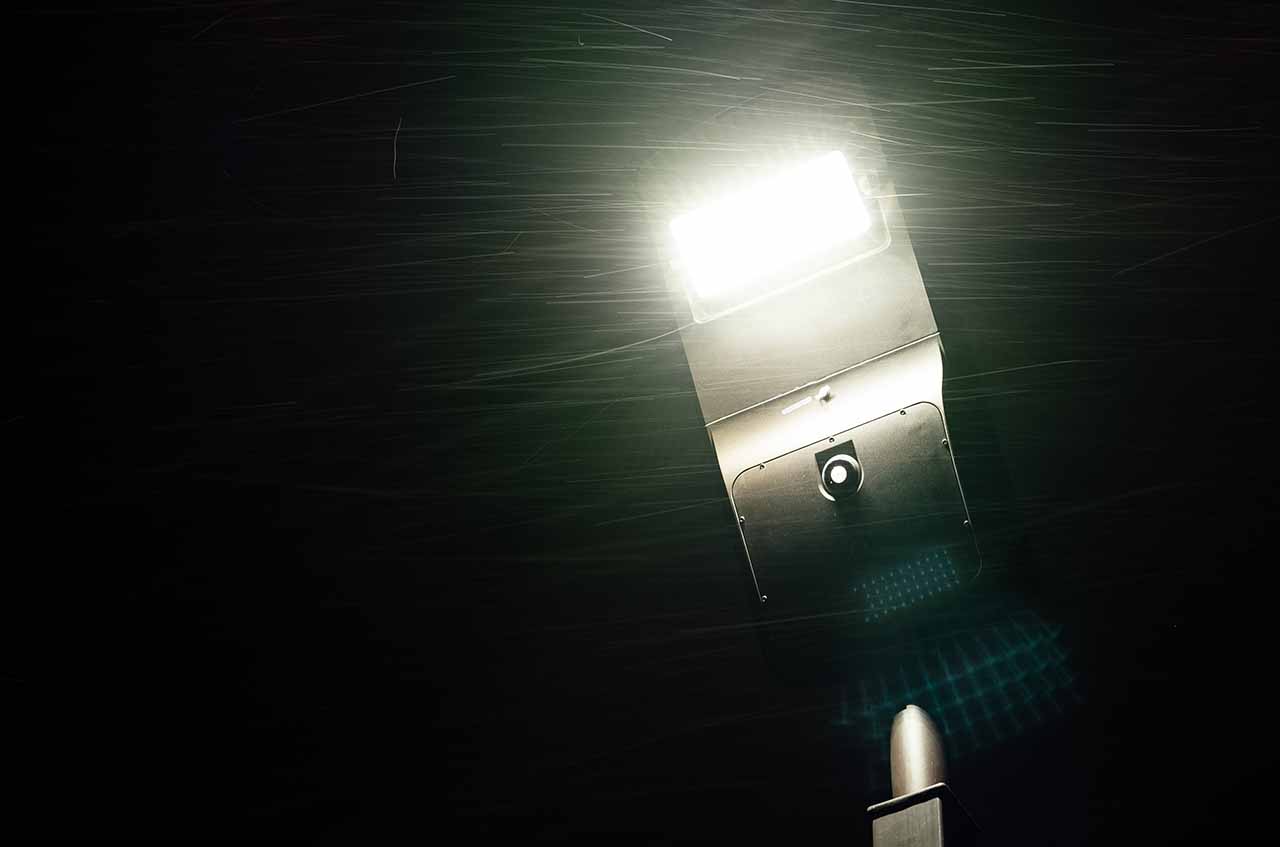
The Strategic Shift to Off-Grid Commercial Lighting in Global Infrastructure
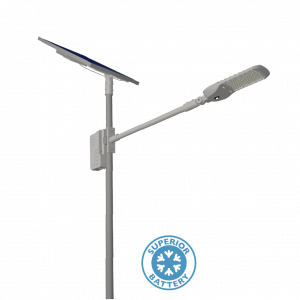
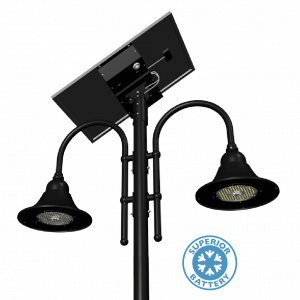
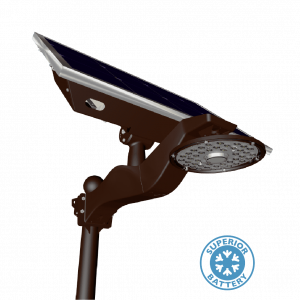
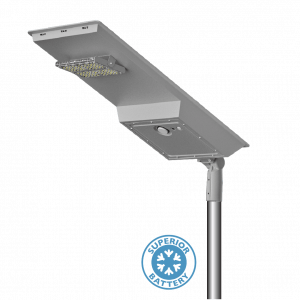
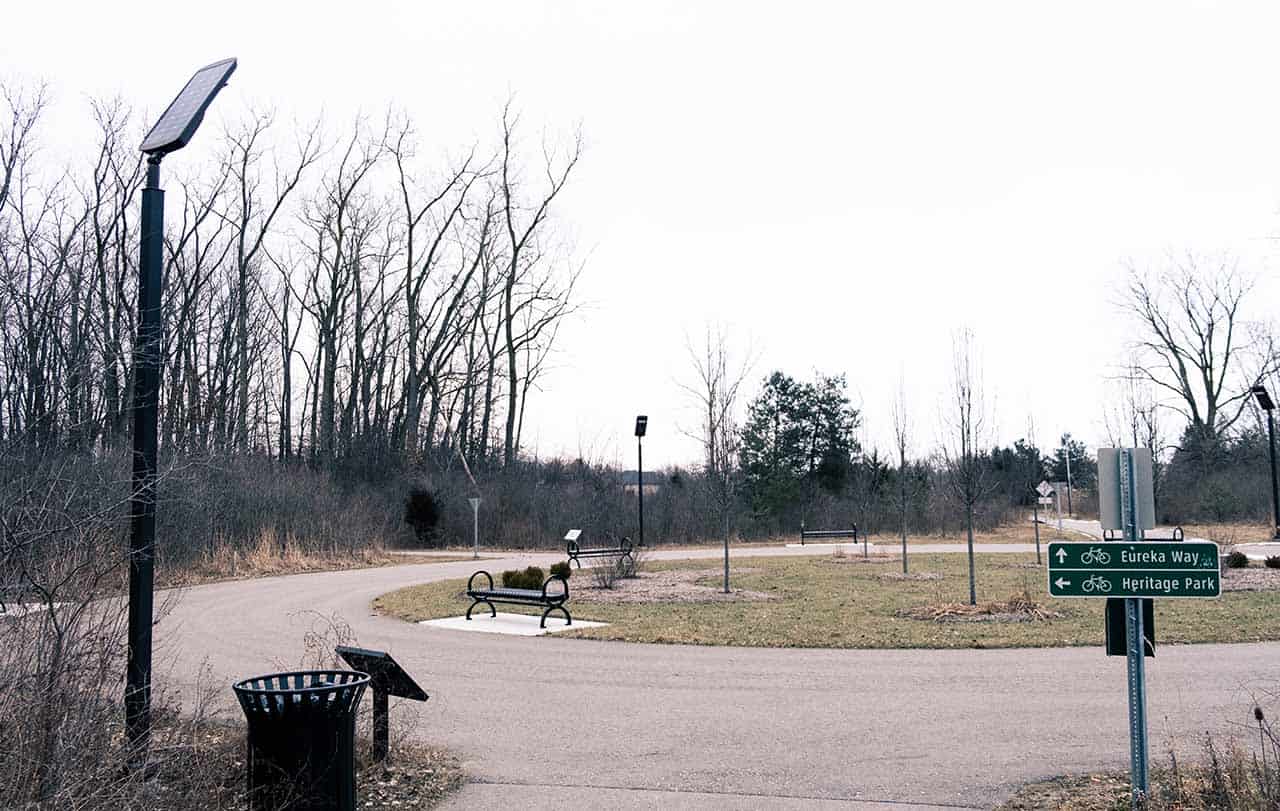
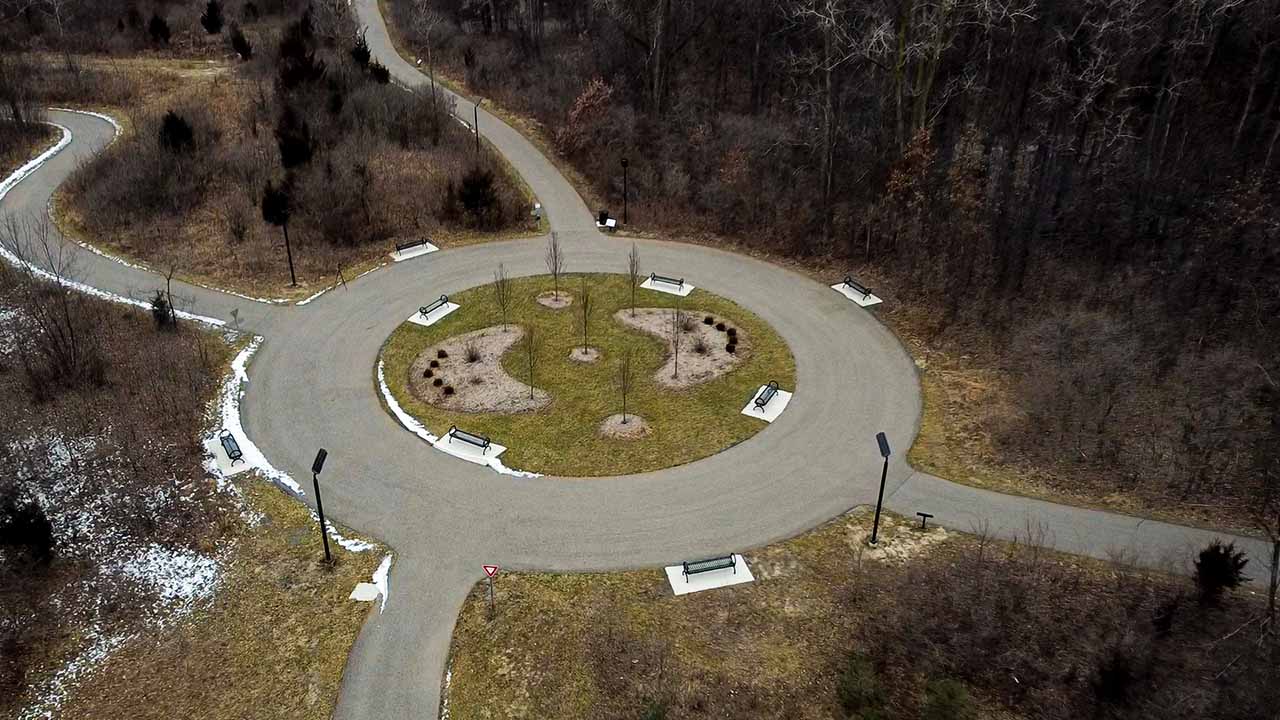
Modern municipal developments, commercial logistics hubs, and industrial facilities are experiencing a fundamental paradigm shift in outdoor lighting architecture. Historically, outdoor illumination relied exclusively on grid-connected AC power networks requiring extensive trenching, subterranean conduit installation, step-down transformers, and heavy copper wiring runs. Today, Off-Grid Commercial Lighting powered by advanced integrated solar PV systems has evolved from an ecological alternative into the primary engineering standard for forward-thinking B2B procurement managers and civil engineers.
The core catalyst driving global adoption is financial and operational risk mitigation. Trenching through asphalt, negotiating municipal utility interconnections, and absorbing skyrocketing commercial electrical tariffs represent substantial CapEx and OpEx liabilities. By deploying standalone off-grid solar LED luminaires, commercial project managers eliminate 100% of grid-dependency costs, bypass utility permitting delays that often stall construction schedules by 6 to 18 months, and secure resilient illumination immune to centralized grid blackouts, storm damage, and transformer failures.
Engineering Insight: Eliminating Copper Theft & Subterranean Infrastructure Risks
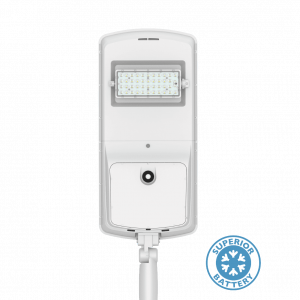
In municipal roadways and commercial perimeter security applications, copper wire theft from underground conduits accounts for millions of dollars in annual repairs and public safety liabilities. Standalone off-grid commercial lighting systems house energy storage (LiFePO4 batteries) and power management microcontrollers directly within the luminaire head or pole-mounted enclosure, completely eliminating subterranean copper wiring networks and rendering wire theft impossible.
Vertically Integrated Manufacturing: The Foundation of Commercial Reliability
Not all solar outdoor lights are engineered for commercial-grade duty cycles. Consumer-grade solar products frequently fail within 12 to 18 months due to low-grade polycrystalline panels, undersized lead-acid batteries, and unsealed electronic enclosures. SOLTECH’s 20-year reputation as an industry pioneer is anchored in our 5 dedicated, vertically integrated manufacturing facilities. From high-pressure aluminum die-casting to proprietary Maximum Power Point Tracking (MPPT) circuit board manufacturing, every component is engineered to withstand extreme thermal fluctuations (-40°F to 140°F), hurricane-force wind loads, and severe salt-spray environments.