
Tier-1 Chinese factory-direct automatic solar floodlights, high-mast arrays, and street lighting systems engineered specifically for low ambient temperatures and sub-zero Central European winters.
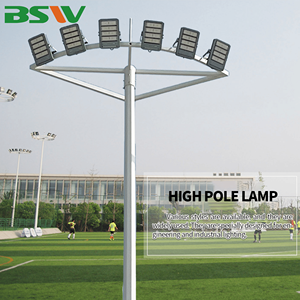
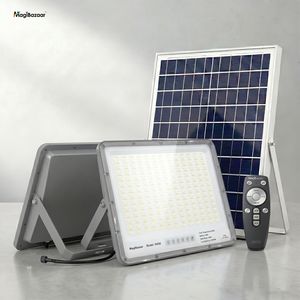
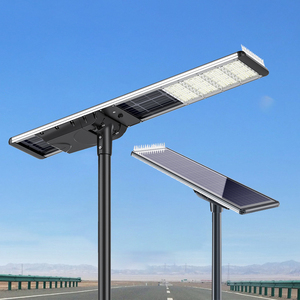
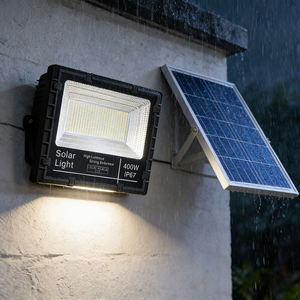
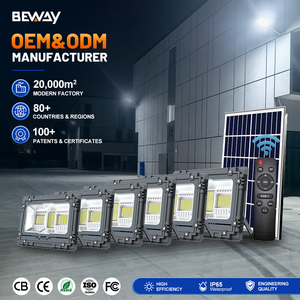
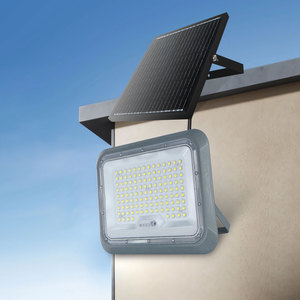
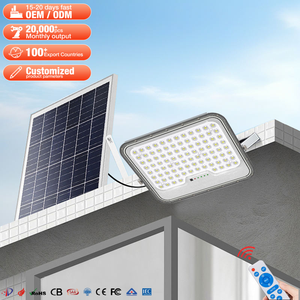
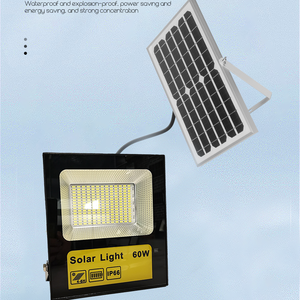
As Poland rapidly accelerates its energy transition under the national policy framework Polityka Energetyczna Polski do 2040 r. (PEP2040) and aligning with European Union EcoDesign directives, commercial and municipal outdoor lighting infrastructure is undergoing a fundamental structural shift. Municipalities (Gminy), industrial park developers (such as Panattoni, Prologis, and Segro hubs along the A1, A2, and A4 motorways), and sports facility management companies across Mazovia, Silesia, Greater Poland, and Lower Silesia are aggressively phasing out legacy high-pressure sodium (HPS) and grid-tied metal-halide luminaires in favor of autonomous, off-grid commercial solar LED systems.
Sourcing directly from top-tier OEM/ODM manufacturers in China provides Polish engineering, procurement, and construction (EPC) contractors with an unprecedented competitive advantage. By cutting out regional European brand markups while retaining rigorous quality standards—such as TÜV Rheinland CE, RoHS, IP67 waterproof verification, and ISO9001 quality compliance—Polish importers can achieve payback periods of under 2.2 years compared to costly grid extension projects that require expensive trenching, cable laying, and transformer upgrades from regional distribution network operators (DNOs like PGE, Tauron, Enea, and Energa).
Central European latitudes (49°N to 54°N) present unique solar challenges: short winter daylight hours (1.2 to 1.5 Peak Sun Hours in December), low solar elevation angles (16° in Warsaw), freezing ambient temperatures, and prolonged snow coverage.
Traditional PWM controllers lose up to 35% of harvested energy in cloudy weather. Top Chinese manufacturers integrate digital Maximum Power Point Tracking (MPPT) micro-controllers operating at 99.5% tracking efficiency. This guarantees continuous battery charging even under diffuse overcast skies in Polish winter months.
Standard lithium-ion cells fail below zero. Tier-1 China factories utilize premium grade-A Lithium Iron Phosphate (LiFePO4) battery packs equipped with integrated silicone heating films and intelligent low-temperature cut-off Battery Management Systems (BMS), allowing safe discharge and charge down to -25°C.
Solar arrays are customized with high-transmittance hydrophobic nano-coated glass tilted at optimized angles (45° to 60°). This geometry maximizes low winter solar incidence while facilitating automatic snow slippage under wind action, maintaining zero-interruption charging cycles.
Deploying heavy-duty automatic solar illumination across diverse geography—from Baltic maritime ports to southern industrial valleys.
In major logistics hubs near Warsaw (Ożarów Mazowiecki, Stryków), Poznań, and Wrocław, massive distribution centers require 24/7 security lighting along perimeter fences and truck turning yards. Automated solar floodlights with built-in microwave radar sensors provide 30% baseline illumination during idle hours, immediately ramping up to 100% full lumen output (15,000+ Lm) upon detecting heavy transport vehicles or personnel.
For local government units (Urząd Gminy) across rural areas in Lubelskie, Podlaskie, and Subcarpathia (Podkarpacie), extending the conventional grid to illuminate remote pedestrian crossings, bus stops, and secondary roads is cost-prohibitive. Integrated "All-in-One" solar street lights compliant with PN-EN 13201 lighting classes (P2 to P4) offer zero electricity bills and zero grid dependency.
Poland's popular community sports facilities ("Moje Boisko - Orlik 2012") and private tennis academies in Kraków, Katowice, and Gdańsk utilize high-output 400W–1000W modular solar floodlighting towers. Featuring multi-optical asymmetrical beam patterns (Type III and Type IV), these fixtures provide glare-free, uniform light distribution across playing turf without light trespass into surrounding residential districts.
Agricultural complexes in Greater Poland and maritime installations along the Baltic coast (Szczecin, Gdynia, Świnoujście) demand severe environmental durability. Solar lights equipped with PC/ADC12 die-cast housings and anti-corrosion marine-grade anodized coatings withstand high salt fog exposure (C4/C5 rating) and atmospheric humidity without chassis degradation.
Evaluating technical parameters, cost structures, and ROI factors for B2B procurement in Poland.
| Performance Criteria | Top China OEM/ODM Manufacturers | European Local Re-branders | Low-Tier Consumer Solar Lights |
|---|---|---|---|
| LED Luminous Efficacy | 190 - 210 Lm/W (Lumileds/Bridgelux) | 140 - 160 Lm/W | 90 - 110 Lm/W |
| Solar Controller Tech | Smart Digital MPPT (Efficiency >99.5%) | Standard MPPT or PWM | Basic Analog PWM |
| Battery Chemistry & Cycle Life | Grade-A LiFePO4 (4,000+ Cycles @ 80% DoD) | LiFePO4 (2,000-3,000 Cycles) | Ternary NCM / Lead-Acid (<800 Cycles) |
| Operating Temperature | -25°C to +65°C (Sub-Zero Heating BMS) | -10°C to +50°C | 0°C to +40°C (Fails in Polish Frost) |
| Winter Autonomy Reserve | 5 to 7 Days Continuous Backup | 2 to 3 Days Backup | < 1 Night Autonomy |
| Ingress & Impact Rating | IP67 Waterproof / IK10 Vandal-Proof | IP65 / IK08 | IP44 / IP54 (Prone to Water Ingress) |
| Direct B2B Procurement Cost | Direct Factory Price (Maximum Margin) | High Markup (150%-300% Premium) | Low Initial Cost (High Failure Rate) |
Addressing key engineering, regulatory, import, and logistics concerns for Polish distributors and contractors.
Navigating international supply chains requires a disciplined quality assurance protocol to safeguard capital investments and ensure long-term field performance across Poland's demanding operational environments.
Before issuing purchase orders, request localized DIALux or Relux photometric calculations from the manufacturer. Validate lux levels, uniformity (U0 > 0.40), and glare ratings against Polish PN-EN 13201 standards for your specific pole height and spacing layout.
Verify component origin data sheets. Ensure LED chips utilize high-reliability brands (Lumileds 5050, Cree, or Bridgelux), solar cells utilize A-grade monocrystalline wafer tech, and battery cells carry UN38.3 transport safety certification.
Institute third-party pre-shipment inspections (SGS, TÜV, or Bureau Veritas) at the Chinese factory prior to container loading. Inspections should cover 24-hour waterproof submersion testing, integrating sphere photometric verification, and aging tests.
Partner with top China automatic solar light manufacturers. Get instant access to OEM/ODM catalogs, DIALux lighting calculations, and direct factory quotation pricing for your Polish infrastructure projects.
Get a Quote