
Engineered specifically for Chilean environmental demands—featuring high-efficiency mono-PERC PV modules, industrial grade LiFePO4 energy storage, and IP67/IK10 heavy-duty die-cast aluminum enclosures.
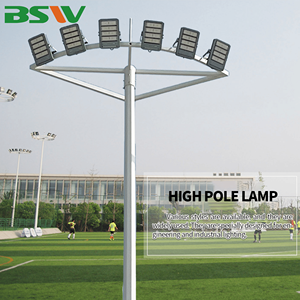
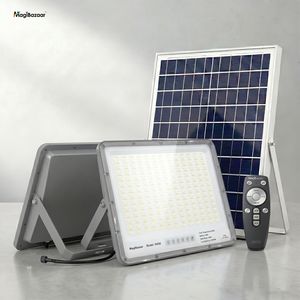
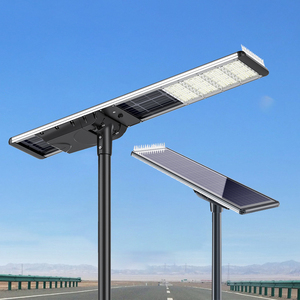
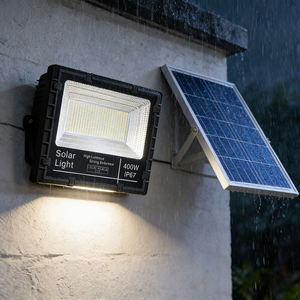
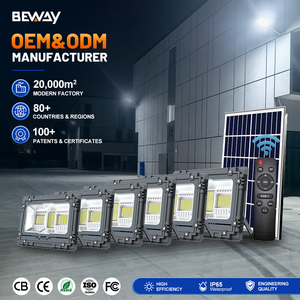
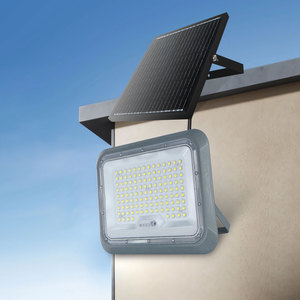
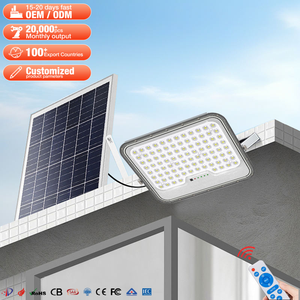
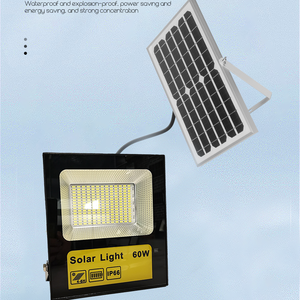
Chile stands as Latin America’s undisputed frontrunner in renewable energy adoption, driven by the nation's ambitious target of complete economy-wide carbon neutrality by 2050. However, commercial, industrial, and municipal infrastructure developers in Chile face unique challenges. From the hyper-arid, extreme UV environment of the Atacama Desert to the heavy saline mist along the Pacific coastline (Valparaíso, Antofagasta) and freezing Andean mountain passes, solar lighting hardware must endure environmental stress factors rarely encountered in standard utility markets.
Information Gain Benchmark: Standard commercial solar luminaires suffer up to 35% thermal efficiency degradation in high-altitude Chilean regions if equipped with standard PWM controllers and NCM lithium batteries. Industrial-grade LiFePO4 cells paired with MPPT micro-controllers are vital to withstand Chile’s extreme diurnal temperature swings (ΔT > 30°C).
This B2B white paper serves as an authoritative procurement guide for Chilean project engineers, EPC contractors, municipal procurement officers, and mining logistics directors. Below, we evaluate the top 10 automatic solar commercial lighting manufacturers and exporters globally, dissecting their engineering capabilities, localized compliance readiness, and technical superiorities.
Selecting an OEM supplier for Chilean deployments requires vetting beyond initial FOB pricing. The matrix below ranks the top global original equipment manufacturers based on five essential criteria: 1) Solar PV Efficacy, 2) BMS Thermal Tolerance, 3) Salt-Fog Anti-Corrosion (C5 Rating), 4) Chilean SEC/CE Certification Compliance, and 5) Vertical In-House Production Line Integrity.
Chile's geographic length (spanning over 4,300 kilometers) encompasses desert, Mediterranean, oceanic, and alpine microclimates. Commercial automatic solar lights must be configured to match regional environmental profiles:
Northern Chile boasts the world's highest horizontal solar irradiance (GHI > 2,500 kWh/m² per year). However, fine airborne copper dust and intense UV radiation severely degrade low-tier plastics and standard seals. Luminaires for mining sites require fluorocarbon powder-coated die-cast aluminum, toughened IK09 glass optics, and sand-proof IP67 pressure equalization valves.
Coastal infrastructure demands resistance against atmospheric salinity (marine category C4/C5 corrosion resistance). Stainless steel 316 hardware, anodized heat sinks, and dual-layer silicone sealing gaskets are mandatory to prevent internal moisture ingress and salt-induced electronic short-circuiting.
In sub-zero southern zones, traditional Lithium NCM batteries drop up to 50% capacity. Specifying LiFePO4 battery chemistry with integrated thermal management circuits allows operation down to -20°C while maintaining over 3,500 discharge cycles.
Procurement practices in Chile are shifting rapidly due to macroeconomic policies and corporate ESG mandates. Strategic trends shaping 2026 B2B solar lighting contracts include:
Many commercial solar brands act solely as trading intermediaries. Direct engineering partnerships with vertically integrated manufacturing facilities yield significant project advantages:
From raw aluminum ingot die-casting to SMT LED surface mounting, micro-controller programming, and post-assembly aging tests, 100% in-house production guarantees structural and electrical uniformity across multi-container shipments.
In-house optical simulation teams provide complete DIALux lighting layouts for Chilean civil projects, ensuring compliant lux levels, uniform light distribution, and exact pole spacing prior to order placement.
Connect directly with our factory engineering team for photometric Dialux calculations, OEM project customizations, and competitive B2B wholesale pricing tailored for Chile.