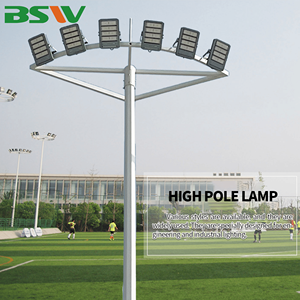

Explore our municipal-grade solar floodlights, street lights, and high mast systems certified for severe weather conditions and long-term commercial performance across Greater Houston.
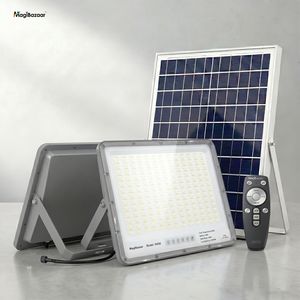
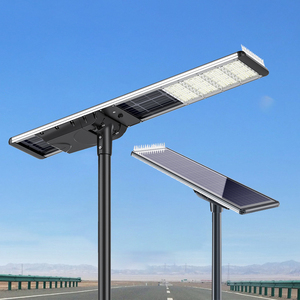
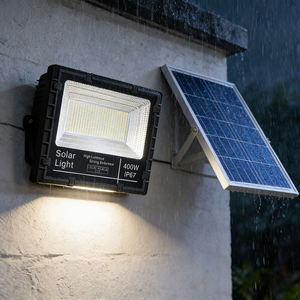
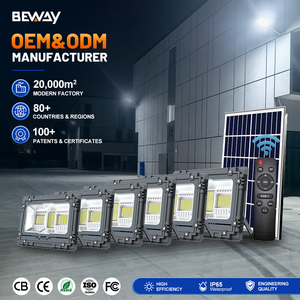
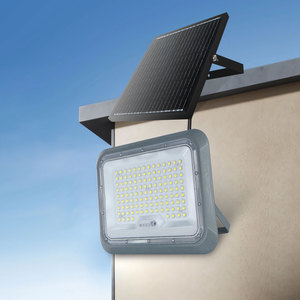
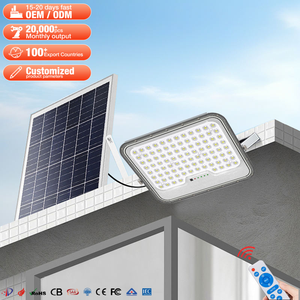
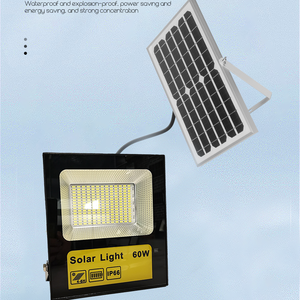
Built to withstand the coastal weather anomalies of Southeast Texas, our off-grid solar infrastructure yields verifiable operational superiority.
Unlike assemblers relying on third-party white-label components, our full vertical integration guarantees total quality control over every luminaire, controller, and photovoltaic panel supplied to the Houston market.
Operating 5 dedicated production facilities spanning die-casting, SMT LED surface mounting, solar controller R&D, and battery pack integration. This vertical consolidation drives superior thermal engineering and cost efficiencies for large-scale municipal bids.
Equipped with Automotive-Grade Lithium Iron Phosphate (LiFePO4) energy storage systems paired with Maximum Power Point Tracking (MPPT) charge controllers, delivering up to 30% higher charging efficiency during overcast days common in rainy coastal weather.
Encased in ADC12 aluminum die-cast housings subjected to 1,000-hour salt spray testing and finished with anti-UV fluorocarbon powder coating. Protection ratings up to IP67/IP68 ensure zero humidity intrusion or premature lens yellowing.
Engineered to comply with DLC, UL Listed, CE, and Buy American Act (BAA) qualifications. Complete photometric IES LM-79 and LM-80 test reports are available to support municipal engineering specifications and local public works approvals.
Completely decoupled from the Texas electrical grid (ERCOT). Our off-grid luminaires provide uninterrupted critical public safety illumination during hurricane grid blackouts, severe winter freezes, and summer peak-load brownouts.
Custom Type II, Type III, and Type IV beam distribution optics engineered with optical-grade PC lenses deliver uniform floor lux levels while eliminating light trespass, backlight glare, and sky glow in accordance with International Dark-Sky guidelines.
From heavy industrial maritime corridors along the Houston Ship Channel to residential master-planned communities in Sugar Land and The Woodlands, our solar lighting infrastructure solves complex site logistics.
The Houston Ship Channel presents harsh environmental stressors: elevated ambient humidity, corrosive chemical airborne particulates, and intense marine air exposure. Installing high-mast off-grid solar floodlights (400W-1000W equivalent) eliminates the need for expensive sub-surface conduit trenching through reinforced concrete yards. IP67 enclosures and marine-grade anodized aluminum construction prevent galvanic corrosion while delivering high-lux illumination across container staging areas, bulk material facilities, and dock loading zones.
Trenching traditional high-voltage AC cables across established parks, bayou trails (such as Buffalo Bayou Park), and dense institutional campuses like the Texas Medical Center causes massive surface destruction, tree root damage, and extended road closures. Integrated solar street lights and decorative post-top luminaires install directly onto concrete foundations within hours without utility disruptions, delivering reliable zero-carbon night safety lighting for pedestrian pathways, parking spaces, and access corridors.
Logistics parks along I-45, Hwy 290, and I-10 require extensive perimeter and lot illumination to meet safety and insurance mandates. Connecting large outdoor parking lots to the municipal power grid incurs thousands of dollars in utility transformer upgrades and ongoing monthly energy charges. Commercial solar area lighting systems allow commercial property developers to cut upfront civil engineering budgets by up to 40% while insulating facilities against escalating ERCOT commercial electricity rates.
During severe weather events (such as Hurricanes Harvey, Ike, and Beryl), main grid infrastructure frequently fails, leaving emergency response staging areas, evacuation routes, and community shelters in complete darkness. Autonomous solar lighting systems function 100% off-grid, storing energy during daylight hours to ensure uninterrupted continuous illumination for emergency personnel, municipal staging sites, and critical transit nodes regardless of regional grid status.
Understanding the regulatory, environmental, and financial macro-trends driving solar lighting adoption across Southeast Texas municipal public works and private commercial developments.
The City of Houston’s Climate Action Plan mandates significant reductions in municipal greenhouse gas emissions and targets carbon neutrality by 2050. Off-grid solar lighting directly contributes to these environmental goals by removing outdoor illumination loads from fossil-fuel-generated grid energy, helping municipal projects earn valuable LEED certification points and sustainability grants.
Greater Houston’s expansive clay soils (Blackland Prairie clays) make heavy underground utility trenching, conduit laying, and directional boring extremely costly—often exceeding $25 to $45 per linear foot. Off-grid municipal solar lighting bypasses electrical utility trenching completely, providing dramatic capital expenditure (CapEx) savings for road expansions, park developments, and commercial perimeter retrofits.
Under the expanded Inflation Reduction Act (IRA) and federal Investment Tax Credit (ITC) frameworks, commercial entity purchases of solar-powered infrastructure qualify for substantial direct pay or tax deduction incentives. Commercial property owners and tax-exempt municipal entities can leverage these federal financial programs to drastically compress the ROI payback period on complete solar street lighting upgrades.
Direct technical answers addressing structural wind loads, extreme thermal management, battery degradation, and municipal permitting for Texas engineers and procurement officials.
When evaluating off-grid solar lighting suppliers for Texas infrastructure projects, ensure your specifications mandate the following non-negotiable engineering requirements: