
Engineered with High-Efficacy LED Modules, LiFePO4 Battery Banks, and Smart Hybrid AC/DC Controllers for Kenya's Energy Transition.
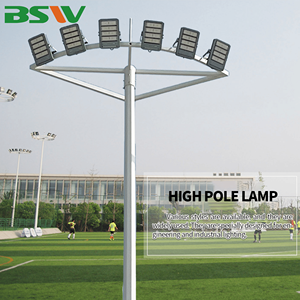
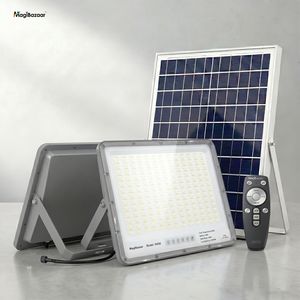
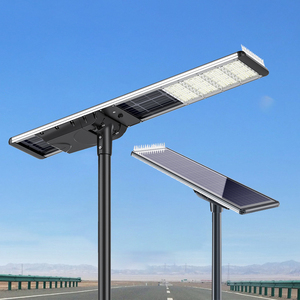
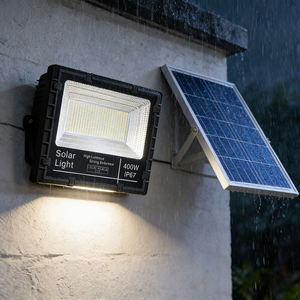
Luminous Efficacy
Manufacturing Expertise
Vertical Integration
Autonomy Reserve
Kenya is undergoing a monumental energy and infrastructure transition driven by Kenya Vision 2030, rapid industrialization along economic corridors, and stringent directives from the Energy and Petroleum Regulatory Authority (EPRA). However, project developers, municipal authorities, and commercial facility managers across Nairobi, Mombasa, Kisumu, and the Rift Valley continue to face severe operational bottlenecks: high electricity tariffs imposed by Kenya Power and Lighting Company (KPLC), frequent grid instability during load-shedding events, and harsh environmental factors ranging from intense equatorial UV radiation to coastal saline air.
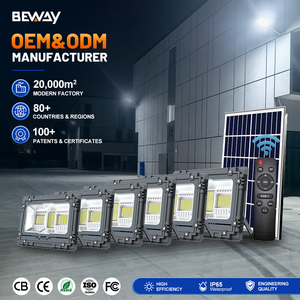
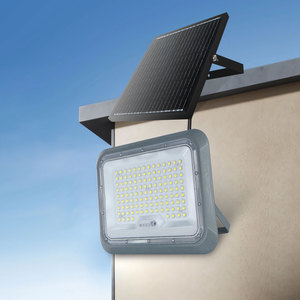
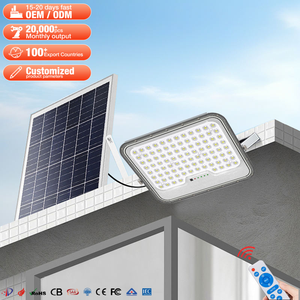
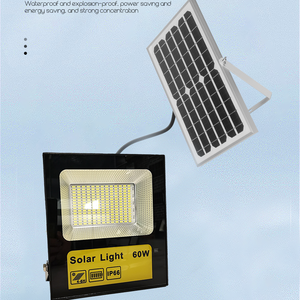
As a global pioneer in commercial solar LED engineering with over two decades of manufacturing leadership, our enterprise delivers customized Hybrid AC/DC Solar Area Lighting Systems specifically built for the Kenyan market. Unlike standard standalone solar lights or legacy grid-connected metal halide fixtures, our hybrid luminaires integrate intelligent dual-input power controllers, high-efficiency monocrystalline solar panels, commercial-grade LiFePO4 (Lithium Iron Phosphate) energy storage packs, and automatic utility grid bypass switching. This whitepaper analyzes the engineering principles, economic feasibility, microclimate resilience, and regulatory compliance of importing and deploying hybrid solar area lights in Kenya.
By blending primary solar energy generation with automated grid backup, our hybrid area lights guarantee 100% illumination availability 365 nights a year—eliminating lighting downtime during prolonged overcast weather ("Long Rains" season) while reducing facility grid energy consumption by up to 85%.
The standard off-grid solar area light relies exclusively on battery state-of-charge (SoC). In regions with extended rainfall or heavy particulate cloud cover, single-source solar systems risk battery deep-discharge, leading to unexpected outages or shortened cell lifespans. Our Hybrid Solar Area Lights solve this via a dual-core MPPT (Maximum Power Point Tracking) Smart Controller configured for Kenya’s electrical standards (240V AC / 50Hz grid input).
Built upon five dedicated in-house manufacturing facilities to ensure end-to-end quality control and municipal-grade field reliability.
Utilizing high-bin Lumileds/Bridgelux LED chips coupled with optical-grade Type II/III polycarbonate lenses. Delivers superior foot-candle distribution with up to 60% lower power draw compared to conventional LEDs.
Equipped with thermal-stabilized Lithium Iron Phosphate cells capable of enduring equatorial operating temperatures (+60°C internal enclosure ambient) with >4,000 deep cycles at 80% DoD.
Heavy-duty ADC12 die-cast aluminum housing coated with thermosetting fluorocarbon powder coating. Built to withstand Rift Valley dust storms and Mombasa coastal salt mist corrosion.
When assessing total cost of ownership (TCO) for commercial projects in Kenya, hybrid solar lighting dramatically outperforms both standard grid-tied fixtures and purely off-grid solar alternatives.
| Performance Metrics | Legacy KPLC Grid Lights | Standard Off-Grid Solar | SOLTECH Hybrid AC/DC Area Light |
|---|---|---|---|
| Illumination Efficacy | 80 - 110 Lm/W | 130 - 160 Lm/W | 190 - 205 Lm/W |
| Blackout Vulnerability | High (Subject to KPLC Outages) | Moderate (Fails in Rain Season) | Zero Risk (100% Uptime Guarantee) |
| Monthly Electricity Cost | High (Full KPLC Tariff Rates) | KES 0 | Reduced by 85% to 95% |
| Battery Longevity (Equator) | N/A | 2 - 3 Years (Standard Lead/NMC) | 8 - 10 Years (EV-Grade LiFePO4) |
| Ingress / Corrosion Protection | IP65 Commercial | IP65 Standard | IP67 Waterproof + C5-M Marine Anti-Rust |
| Control Systems | Manual / Basic Timer | Basic PIR / Dusk-to-Dawn | Smart MPPT + Auto Grid Hybrid Bypass |
Engineered to satisfy specific operational requirements across key geographic, economic, and industrial sectors in Kenya.
High-speed arterial corridors require uniform, glare-free optical distribution (Type III beam angles) to maintain road safety. Hybrid solar luminaires eliminate the massive capital expenditures associated with long-distance high-voltage trenching while protecting road networks from complete darkness during central grid failures.
Coastal logistics hubs encounter extreme humidity and air salinity. Our hybrid floodlights incorporate C5-M marine-grade powder coatings and IP67 sealing to resist chemical degradation, illuminating container stacking yards, bonded warehouses, and security perimeters 24/7/365.
Kenya's floriculture and agricultural export hubs require stable perimeter lighting to ensure security and nocturnal workforce operations. Hybrid systems utilize full daytime equatorial solar irradiance (~5.8 kWh/m²/day in Naivasha) to power operations, automatically leveraging grid power only during unseasonal downpours.
Remote northern county headquarters and off-grid townships often lack utility grid access entirely. Our flexible hybrid luminaires function as 100% standalone off-grid units with 7-day battery autonomy, while maintaining the internal circuitry to connect to future local micro-grids without hardware replacement.
Navigating the Kenyan market requires strict adherence to institutional regulations governed by the Energy and Petroleum Regulatory Authority (EPRA), Kenya Bureau of Standards (KEBS), and the Kenya Revenue Authority (KRA). Foreign manufacturers and exporters must provide compliant technical documentation to ensure smooth customs clearance and project commissioning.
All commercial solar luminaires, high-mast floodlights, and smart lighting components shipped to Kilindini Harbour (Mombasa) or Jomo Kenyatta International Airport (Nairobi) must undergo PVoC inspection. Products must carry Certificate of Conformity (CoC) documentation proving compliance with IEC 60598-2-3 (street and area lighting safety), IEC 62109 (inverter/controller safety), and IEC 62619 (industrial LiFePO4 safety testing).
Under EPRA regulations, solar lighting projects exceeding commercial thresholds require certified solar installation engineers. Furthermore, with Kenya's evolving Net Metering framework, facility managers are prioritizing hybrid luminaires that minimize grid draw during peak tariff windows (6:00 PM to 10:00 PM), drastically scaling down operational expenditure for industrial parks in Athi River and Ruiru.
Pursuant to East African Community (EAC) Customs Management provisions and current Kenyan tax statutes, specialized solar equipment—including high-efficiency solar modules and lithium energy storage systems—qualify for specific import duty exemptions. Partnering with a knowledgeable OEM exporter allows Kenyan importers to properly classify Harmonized System (HS) Codes, optimizing land cost structures.
Eliminating middleman markups through direct-from-manufacturer supply chains backed by rigorous international quality certifications.
We own and operate five specialized manufacturing units encompassing die-cast aluminum molding, automated SMT surface mounting, optical lens molding, lithium battery pack assembly, and digital controller R&D.
Products are certified to DLC Premium, UL Listed, CE Mark, and ISO 9001/14001 standards, ensuring full compliance with both American/European infrastructure tenders and East African municipal specifications.
In addition to fixed street and area luminaires, our engineering group manufactures SUPER EMPOWER® mobile solar light towers—ideal for temporary roadworks, construction sites, and remote emergency operations.
Our smart MPPT hybrid controller continuously monitors battery voltage and state-of-charge (SoC). During extended overcast conditions when solar generation drops, the system dynamically activates grid utility power (240V AC) once battery voltage reaches a preset low threshold (typically 20% SoC). The switch happens in under 10 milliseconds, ensuring zero interruption in light output. Once solar irradiance resumes and recharges the battery above 40%, utility grid power is disconnected automatically.
Importers must present a Pre-Export Verification of Conformity (PVoC) Certificate of Conformity (CoC) issued by an authorized inspection body (such as SGS, Intertek, or Bureau Veritas) prior to shipment loading. Our manufacturing facilities handle full PVoC compliance testing, providing certified test reports for IEC 60598, IEC 62109, and CE/UL listings to ensure hassle-free clearance through KEBS and KRA customs checkpoints.
Ambient temperatures in Northern Kenya often exceed 38°C, which can cause severe capacity degradation in standard lithium-ion or lead-acid batteries. We utilize Grade-A EV-class Lithium Iron Phosphate (LiFePO4) chemistry featuring integrated thermal runaway protection and passive heat sinks. The battery pack is isolated in a separate die-cast aluminum chamber rated for thermal stability up to +65°C ambient, extending operational lifespan to 8–10 years.
Yes. Fixtures designated for coastal deployment undergo specialized C5-M high-salinity anti-corrosion surface treatment. The heavy-duty ADC12 die-cast housing is sandblasted, treated with a chromate conversion layer, and electrostatic-coated with thermosetting fluorocarbon powder. All exposed fasteners and mounting brackets are crafted from 316-grade stainless steel to prevent rust and galvanic oxidation.
Given Kenya’s average commercial grid tariff rates (including fuel charges, Forex adjustments, and VAT under KPLC billing), replacing legacy high-pressure sodium or metal halide fixtures with hybrid solar area lights yields an average payback period of 14 to 22 months. Post-payback, facility owners enjoy free solar illumination for up to 90% of operating hours, generating net cash savings over the luminaire's 10+ year service life.
Standard factory production lead time is 15 to 20 days for commercial quantities. Sea freight from our port to Mombasa (Kilindini Harbour) typically requires 22 to 28 days transit time. For urgent municipal projects or replacement spares, air freight solutions via Jomo Kenyatta International Airport (Nairobi) can be arranged within 5 to 7 days.
Request comprehensive photometric layouts (DIALux simulation), technical datasheets, and direct factory pricing for your upcoming commercial, industrial, or municipal lighting project in Kenya.