
Certified off-grid solar floodlights and high-mast systems optimized for Austrian winter performance, heavy snow loads, and EN 13201 / ÖNORM O 1052 compliance.
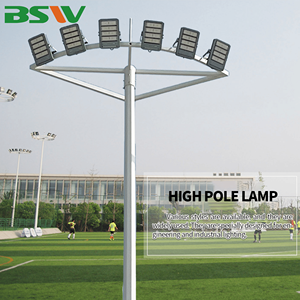
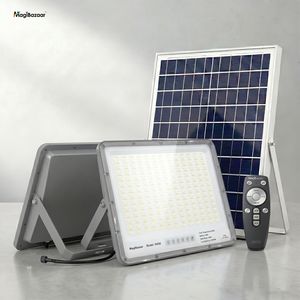
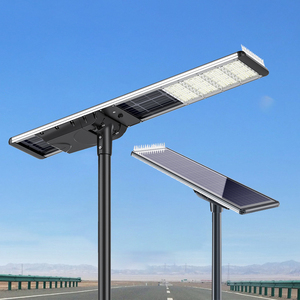
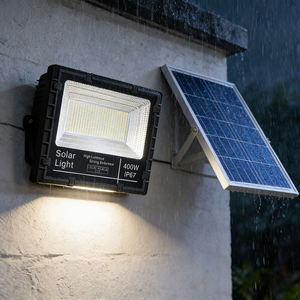
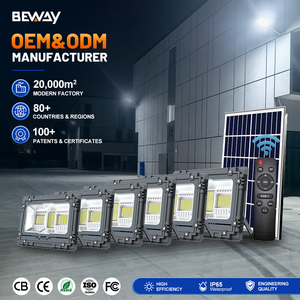
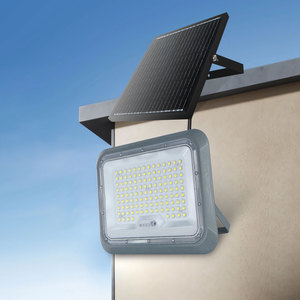
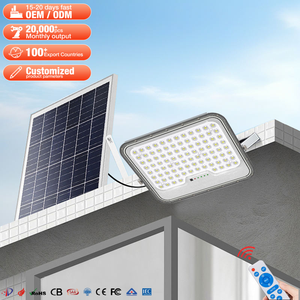
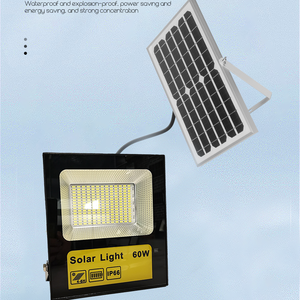
Austria’s transition toward carbon neutrality under the Renewable Energy Expansion Act (Erneuerbaren-Ausbau-Gesetz - EAG) has accelerated the demand for autonomous, heavy-duty commercial solar infrastructure. High mast solar lighting systems—typically mounted at heights between 12 meters and 35 meters—represent the pinnacle of off-grid engineering. They are designed to deliver high-lumen illumination across vast spatial footprints without requiring costly trenching, grid tie-ins, or transformer installations.
However, exporting high mast solar luminaires to Austria requires specialized engineering to withstand the distinct geographical and regulatory environment. From the low solar irradiation levels during Alpine winters to stringent light pollution standards defined by ÖNORM O 1052, generic commercial solar lights fail to meet municipal and enterprise standards in Austria.
Technical Reality for Austrian Buyers: In regions like Tyrol, Vorarlberg, and Carinthia, winter solar radiation drops to less than 1.2 kWh/m²/day in December. High mast solar systems must incorporate 2.5x to 3x PV oversizing ratios, Intelligent MPPT tracking algorithms, and self-heating LiFePO4 battery enclosures to guarantee zero-downtime performance.
Deployments in key Austrian transport nodes such as the Port of Vienna (Hafen Wien), Enns Hafen, and Linz Logistics Parks require continuous 100 Lux to 300 Lux ground illumination. High mast solar arrays eliminate cable hazards in container yards and resist heavy vibration from industrial freight machinery.
Grid-extending power cables along the A1 Westautobahn or A9 Pyhrnautobahn can cost upwards of €60,000 per kilometer. Off-grid solar high masts provide rapid installation for rest stops, truck parking, and interchange junctions adhering to ASFINAG safety directives.
In high-altitude areas like Kitzbühel or Sölden, solar high mast towers must withstand wind loads up to Eurocode 1 standards (EN 1991-1-4) while handling extreme snow accumulation via specialized 45° to 60° vertical tilt PV mounting frames.
To assist Austrian EPC contractors, municipal planners, and industrial buyers in evaluating system longevity, the data table below outlines the operational capabilities of our high mast solar exporter solutions compared to traditional grid-tied and legacy solar systems.
| System Architecture | Luminous Efficacy | Battery Chemistry | Winter Autonomy (Austria) | Light Pollution Compliance | Typical Lifetime |
|---|---|---|---|---|---|
| SOLTECH / Commercial High Mast Solar | 200 Lm/W | LiFePO4 with Thermal BMS Heat Pad | 7+ Nights (Continuous 100%) | ÖNORM O 1052 (ULR = 0%) | 12 – 15 Years (PV 25 Yrs) |
| Standard Off-Grid Solar Lights | 110 – 140 Lm/W | Standard Lithium NCM / Lead-Acid | 1 – 2 Nights (Fails under snow) | Non-compliant (High Spill Light) | 3 – 5 Years |
| Conventional Grid-Tied High Mast (MH/HPS) | 70 – 90 Lm/W | Grid Dependent (Zero Autonomy) | N/A (Subject to Grid Power) | Variable / High Glare | 2 – 4 Years (Lamp Replace) |
Austria maintains strict national regulations regarding light pollution prevention (Lichtverschmutzung). Under ÖNORM O 1052, outdoor high mast lighting installations must limit light spill into neighboring ecosystems and eliminate direct upward light flux (Upward Light Ratio ULR = 0%). Our high mast solar floodlights utilize precision glass asymmetrical optics (Type II, Type III, and Type IV distributions) to concentrate 98% of emitted lumens directly onto target ground areas, preventing night-sky degradation in Alpine reserves.
A primary failure point for imported solar lighting in Central Europe is sub-zero temperature degradation. Standard Lithium Iron Phosphate (LiFePO4) batteries experience significant capacity loss and charging shutoff at temperatures below 0°C. Our commercial solar high mast systems exported to Austria integrate smart thermal management systems (BMS with internal heating foil). During winter mornings, solar input energy is first routed to warm the battery compartment to +5°C before charging begins, preserving 100% battery capacity even when ambient temperatures reach -25°C in the Austrian Alps.
Austrian high mast poles must endure severe winter storms and heavy snow loads. Our high-strength Q235/Q345 hot-dip galvanized steel poles (12m to 35m) are structural-engineer certified to withstand wind velocities up to 160 km/h. Furthermore, mono-crystalline solar panels are framed with reinforced tempered glass capable of sustaining front snow loads up to 5400 Pa.
With over two decades of dedicated solar lighting research, development, and vertical manufacturing, our enterprise operates 5 proprietary factories spanning raw metal die-casting, optical lens mold fabrication, surface powder coating, SMT LED placement, and micro-controller programming.
Unlike trading entities, every single component of our high mast solar floodlights—from the die-cast aluminum heat sinks to the MPPT charge controllers—is built under strict ISO 9001 quality protocols.
By pairing high-bin Lumileds LED chips with ultra-transmissive toughened optical glass, our luminaires deliver up to 200 lumens per watt. This reduces required battery bank sizing while maintaining maximum illumination footprints.
We provide Austrian engineering teams and electrical contractors with full IES files and customized Dialux lighting simulation reports to ensure precise compliance with EN 13201 light level classes prior to order placement.
Speak directly with our solar lighting engineers. We provide free photometric designs, structural calculations, and direct factory quotation for commercial, municipal, and industrial infrastructure projects across Austria.