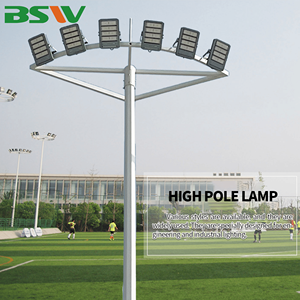
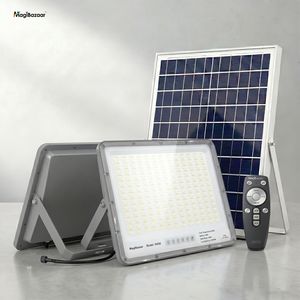
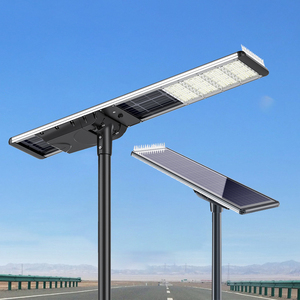
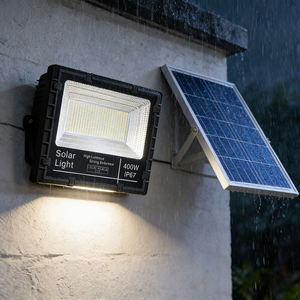
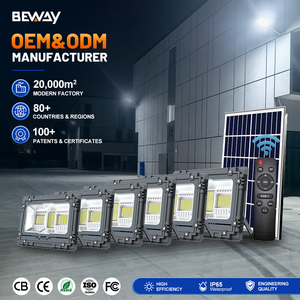
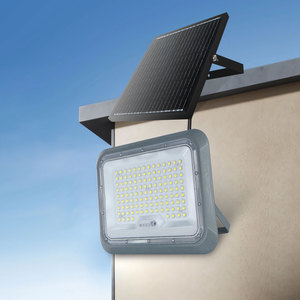
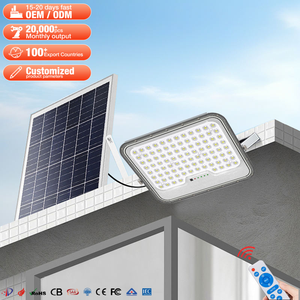
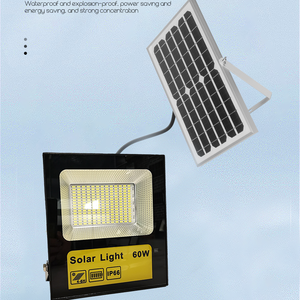
Engineered specifically for heavy industrial infrastructure, high-luminance sports fields, container terminals, and mega logistics hubs across Vietnam.
Why leading Vietnamese EPC contractors, municipal authorities, and international industrial zone developers partner directly with our direct-manufacturing export hub.
From precision die-casting aluminum housing mold design to high-efficiency MPPT electronic circuit board assembly, our 5 specialized production facilities ensure 100% vertical quality control without intermediary markups.
Incorporating premier Lumileds LED chips paired with customized optical Grade-A glass lenses. Achieves high lux uniformity across expansive horizontal coverage while reducing total wattage requirements by 35%.
Equipped with ultra-dense Grade-A LiFePO4 battery banks and intelligent pulse-width modulation (PWM/MPPT) algorithms, delivering continuous illumination through extended monsoon spells across Northern and Southern Vietnam.
Full international certification portfolio including DLC, UL, CE, and RoHS standards. Designed to satisfy rigorous technical tenders issued by the Ministry of Transport of Vietnam and international ESG audits.
Heavy-duty ADC12 aluminum housing coated with electrophoretic C5-M marine-grade powder paint, providing immunity against severe saltwater aerosol degradation in Vietnam's coastal ports and industrial logistics parks.
Integrated Zigbee/LoRaWAN remote monitoring capabilities allow centralized dimming schedules, battery health telematics, and automated fault alerts for modern Smart City management in Hanoi, Ho Chi Minh City, and Da Nang.
As Vietnam experiences unprecedented industrial growth—propelled by massive Foreign Direct Investment (FDI), expanding industrial parks (IPs) across Binh Duong, Bac Ninh, and Hai Phong, and national infrastructure modernization under the National Power Development Plan VIII (PDP8)—the demand for scalable, off-grid energy infrastructure has reached a historic peak. Traditional high mast lighting infrastructure reliant on utility grid connections faces significant hurdles: high capital expenditure for grid extension, vulnerability to localized power outages, rising Electricity of Vietnam (EVN) tariffs, and strict international corporate sustainability requirements (Net-Zero 2050 targets).
This technical white-paper explores the operational, optical, structural, and economic dimensions of deploying industrial high mast solar lighting systems in Vietnam. Authored from the perspective of direct OEM/ODM manufacturers with over two decades of engineering heritage, this document outlines key strategies for engineering resilience against Vietnam's severe tropical climates, high ambient humidity, monsoon rains, and coastal typhoon exposure.
Vietnam’s geographic and economic environment presents unique demands for industrial illumination. Under PDP8, the Vietnamese government has placed strict quotas on carbon intensity while prioritizing energy self-reliance. Commercial entities operating within Vietnam face three critical operational challenges:
| Performance Matrix | Off-Grid Solar High Mast (Our Factory Standard) | Traditional Grid LED High Mast | Diesel Generator Light Towers |
|---|---|---|---|
| Trenching & Cabling Costs | Zero ($0) - Totally Independent | Extremely High ($45–$85 per linear meter) | Zero ($0) |
| Electricity Operational Cost | $0 / Month (100% Free Solar Energy) | Vulnerable to EVN Commercial Peak Tariffs | High Recurring Fuel & Oil Costs |
| Luminous Efficacy | Up to 200 Lm/W (Lumileds LED Chips) | Typically 130–150 Lm/W | 100–120 Lm/W |
| Monsoon / Outage Resilience | 7 Days Continuous Autonomy (LiFePO4) | Fails during local EVN grid blackouts | Requires continuous manual fueling |
| Typhoon Resistance Engineering | Class 14–15 (Up to 60 m/s Wind Load) | Varies (Standard Pole Specs) | Low Stability (Temporary Trailers) |
| Carbon Footprint Impact | Zero Operational Emissions (Net-Zero Compliant) | Dependent on Grid Coal Mix | Heavy CO2 & Particulate Output |
Deploying high-output solar luminaires in Vietnam requires far more than basic outdoor assembly. The combination of high ambient temperatures (>40°C in peak summer), relative humidity exceeding 85%, saline marine air along 3,260 km of coastline, and intense seasonal typhoons demands precise material selection and mechanical engineering.
A. Advanced Thermal Dissipation Physics: Standard solar lights often suffer from premature LED lumen depreciation and battery thermal runaway in tropical regions. Our high mast floodlights utilize pressure die-cast ADC12 aluminum housings featuring engineered rear-vented convective fins. This geometry creates a thermal chimney effect, drawing heat away from the PCB and driving junction temperatures below 65°C even when ambient temperatures surge.
B. LiFePO4 Battery Thermal Stability: Lithium Iron Phosphate (LiFePO4) represents the gold standard for high-temperature stability compared to volatile NMC or Lead-Acid chemistries. Designed with integrated Phase Change Material (PCM) thermal barriers and automated smart BMS cut-offs, our battery enclosures maintain optimal chemistry performance up to 65°C ambient, delivering over 4,000 deep discharge cycles (equivalent to 10+ years of maintenance-free service life).
C. Wind Resistance Engineering for Typhoon Zones: Northern and Central Vietnam (e.g., Da Nang, Quang Ninh) frequently face Category 12–15 typhoons. Our engineering team conducts finite element analysis (FEA) to design high mast pole structures (ranging from 12 meters to 30 meters) and solar bracket mounts that endure wind shear forces up to 60 meters per second (over 216 km/h).
Illuminating large expanse areas—such as container stacking yards, shipyards, railway terminals, and sports stadiums—requires specialized light distribution curves. Standard symmetrical beam angles cause severe glare for crane operators and waste light energy outside targeted project perimeters.
Our industrial floodlights incorporate specialized asymmetric optical lenses (Type II, Type III, and ultra-narrow 15°/30°/60° stadium distributions). By projecting light efficiently across flat horizontal planes, our systems achieve high illuminance uniformity (U0 > 0.4) while mitigating light pollution. Combined with high-efficiency Lumileds 5050 LED packages operating at 200 lumens per watt, high-pole systems can achieve required ground-level Lux targets (ranging from 30 Lux for general container yards to 500+ Lux for high-definition sports broadcast venues) using half the physical luminaire footprint of legacy lighting.
Our direct-factory export framework caters directly to key sector developments across Vietnam's prime economic zones:
Clear technical answers for project engineers, procurement managers, and EPC contractors importing solar lighting equipment into Vietnam.
Contact our senior solar application engineers today for direct factory pricing, DIALux photometric design assistance, custom OEM specifications, and complete technical export support.
Inquire Now