
Heavy-duty off-grid LED fixtures with customized solar PV panels, ultra-low temperature battery packs, and smart MPPT charging algorithms tailored for Norwegian climate conditions.
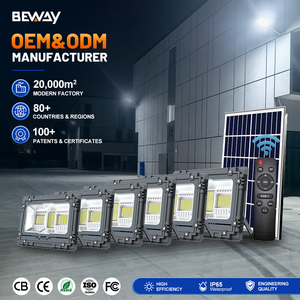
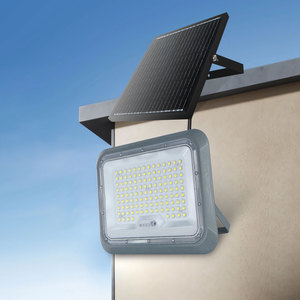
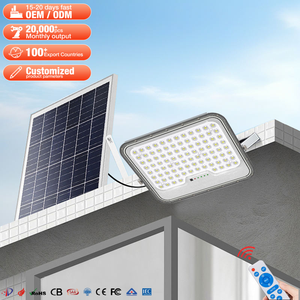
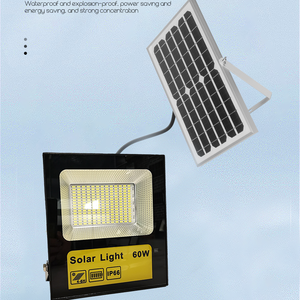
An In-Depth Technical Analysis for Norwegian Municipalities, Infrastructure Developers, and Civil Engineering Contractors (Latitude 58°N to 71°N)
Operating off-grid solar illumination systems in Norway presents some of the most rigorous thermal, photovoltaic, and mechanical challenges in the lighting industry. With seasonal daylight variations ranging from continuous daylight in summer to extended Polar Nights (Mørketid) in northern regions such as Tromsø, Bodø, and Finnmark, standard commercial off-the-shelf solar lighting often fails. As a premier custom OEM manufacturer, our engineering framework focuses specifically on overcoming the extreme physics of high-latitude environments.
The core fundamental flaw of integrated "All-in-One" solar lights in Scandinavian climates is the structural coupling of the solar panel, battery, and light source. In Norway, winter solar zenith angles require photovoltaics to be tilted at steep angles (60° to 70° elevation) to capture low-level solar radiation and automatically shed heavy snow cover. All-in-One units, which lay flat or at minimal tilt angles, quickly become buried in snow, completely halting battery replenishment for months.
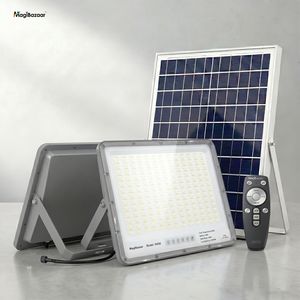
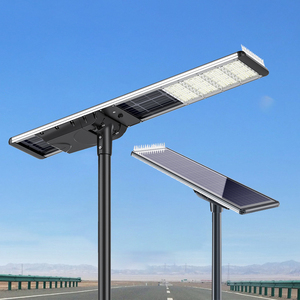
Conversely, our Custom OEM Split-Type Solar Street Light systems separate the solar PV panel, the LED optical engine, and the energy storage unit. This allows independent orientation of high-wattage Mono-PERC or Bifacial solar modules directly toward optimal solar azimuth while optimizing the LED fixture light distribution according to Norwegian NS-EN 13201 roadway lighting standards.
Furthermore, our custom OEM split-type lighting configurations incorporate Bifacial Photovoltaic Technology. In Norwegian winter landscapes, snow cover provides a high albedo surface reflection. Our split-system rear-side bifacial modules capture reflected sunlight from the snow covered terrain, yielding an extra 15% to 25% energy harvest during critical cold daylight hours.
Tailored Off-Grid Solar Illumination Solutions Engineered for Unique Geographic & Climatic Demands
Stretching through isolated mountainous passages and coastal routes where grid trenching costs exceed €150,000 per kilometer. Our split solar lighting systems provide high-intensity off-grid lighting for rest stops, chain-up areas, roundabouts, and tunnel entrance approaches. Features smart MPPT dimming schedules to maintain continuous illumination through 24-hour winter darkness.
Deploys in coastal environments like Bergen, Stavanger, and Ålesund, exposed to severe salt spray, constant humidity, and freezing mist. Fixtures are customized with marine-grade C5-M anti-corrosion powder coating, 316 stainless steel hardware, and IP68 sealed optical engines that withstand severe maritime weathering.
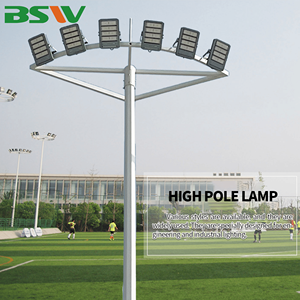
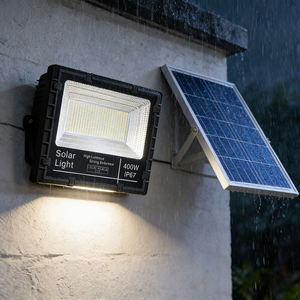
Industrial freight centers near Oslo and Drammen require wide area lighting compliance under NS-EN 13201 class M3/M4. Our OEM split solar floodlights and high-mast systems utilize specialized Type II and Type III asymmetric lenses, eliminating light trespass while providing uniform illumination across storage yards and transport lanes.
In environmentally sensitive Nordic wilderness areas (such as Trysil, Geilo, and Svalbard resorts), dark-sky compliance and zero emissions are mandatory. Custom warm 2700K–3000K LED options preserve local nocturnal ecosystems, while buried heated LiFePO4 battery modules maintain full power delivery down to -40°C.
Aligning Municipal Tenders with Norway’s 2030 Climate Goals & Strict European Standards
Norway is at the forefront of global environmental policy, driven by the national government's mandate for Klima- og miljøvennlige offentlige anskaffelser (Climate and Environmentally Friendly Public Procurement). Public infrastructure tenders awarded by Statens vegvesen (Norwegian Public Roads Administration) and regional municipalities now strictly mandate zero-emission operational profiles, long service life, and documented lifecycle carbon reductions.
Key market trends transforming solar street lighting procurement across Norway include:
Norwegian smart cities require remotely monitored lighting nodes. Our custom split controllers integrate wireless IoT gateways, allowing municipal managers in Oslo or Trondheim to adjust dimming profiles, track battery health, and receive automated maintenance alerts in real time.
Traditional lithium-ion batteries cannot safely charge at freezing temperatures. Modern Norwegian projects require Battery Thermal Management Systems (BTMS) using built-in self-heating elements powered by early-morning solar harvest before charging commences.
Norway’s wind climate zones demand rigorous structural calculations. All OEM split-type solar light poles, brackets, and solar panel mountings are verified according to Eurocode 1 (EN 1991-1-4 Wind Actions) and Eurocode 3 (EN 1993 Structural Steel Design).
To maximize light duration during limited daylight charging hours, optical efficacy is paramount. Utilizing top-tier Lumileds LED chips paired with customized PMMA lenses delivers system efficacies exceeding 200 lumens per watt.
Vertical Integration Across 5 Manufacturing Plants Delivering Tailored Solar Lighting Solutions Worldwide
With 20+ years of dedicated experience, we control every manufacturing step—from precision aluminum die-casting and surface treatment to SMT LED placement, custom MPPT controller firmware, and optical lens molding.
We customize solar PV wattage (50W to 600W), battery capacities, pole heights (4m to 15m), optical light distributions (Type I–IV), paint coatings (RAL color matching), and branded municipal housing graphics.
Every product batch undergoes extreme environmental testing in our certified lab, including thermal shock (-40°C to +80°C), salt spray corrosion chambers, IP68 submersion, IK10 impact resistance, and wind tunnel simulation.




Proven Performance in Demanding Off-Grid Installations Across Nordic & Sub-Arctic Zones
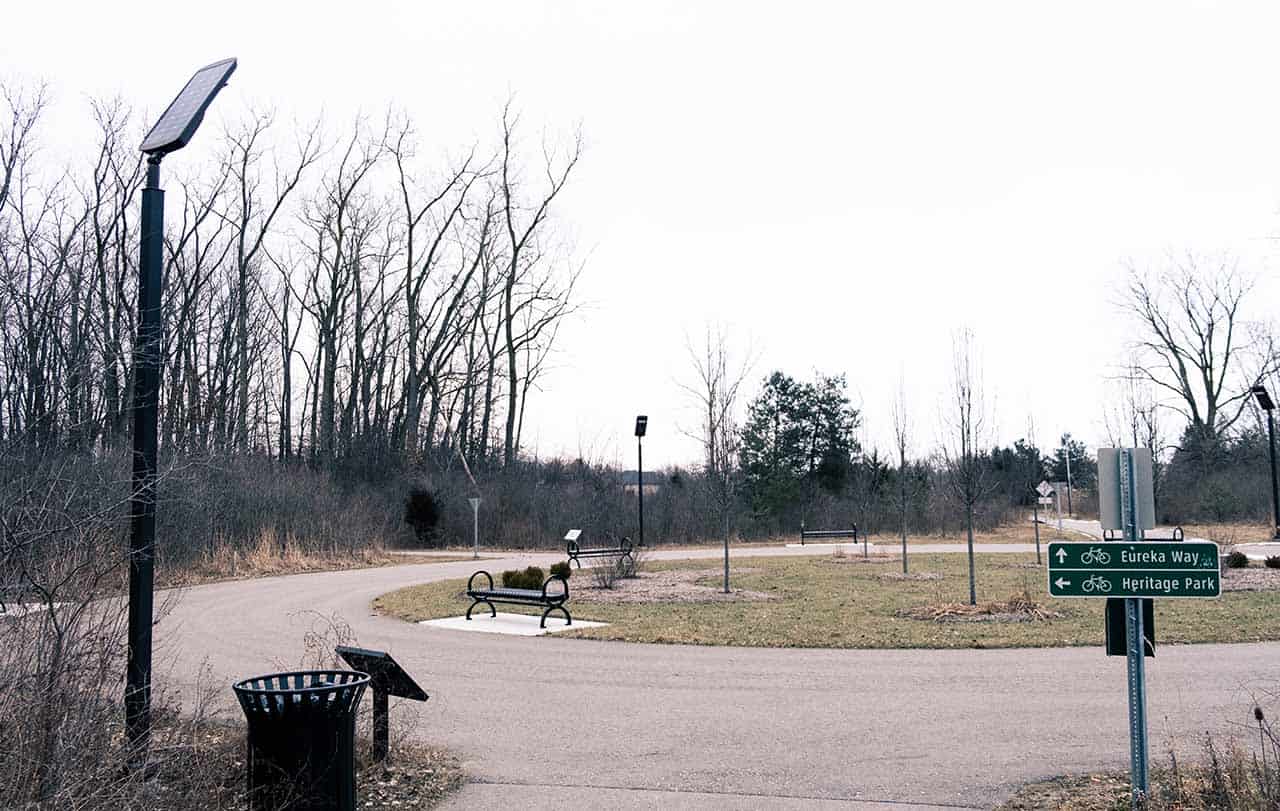
Split solar system with 60° tilt panel mountings & buried heated LiFePO4 battery modules.
Get a Quote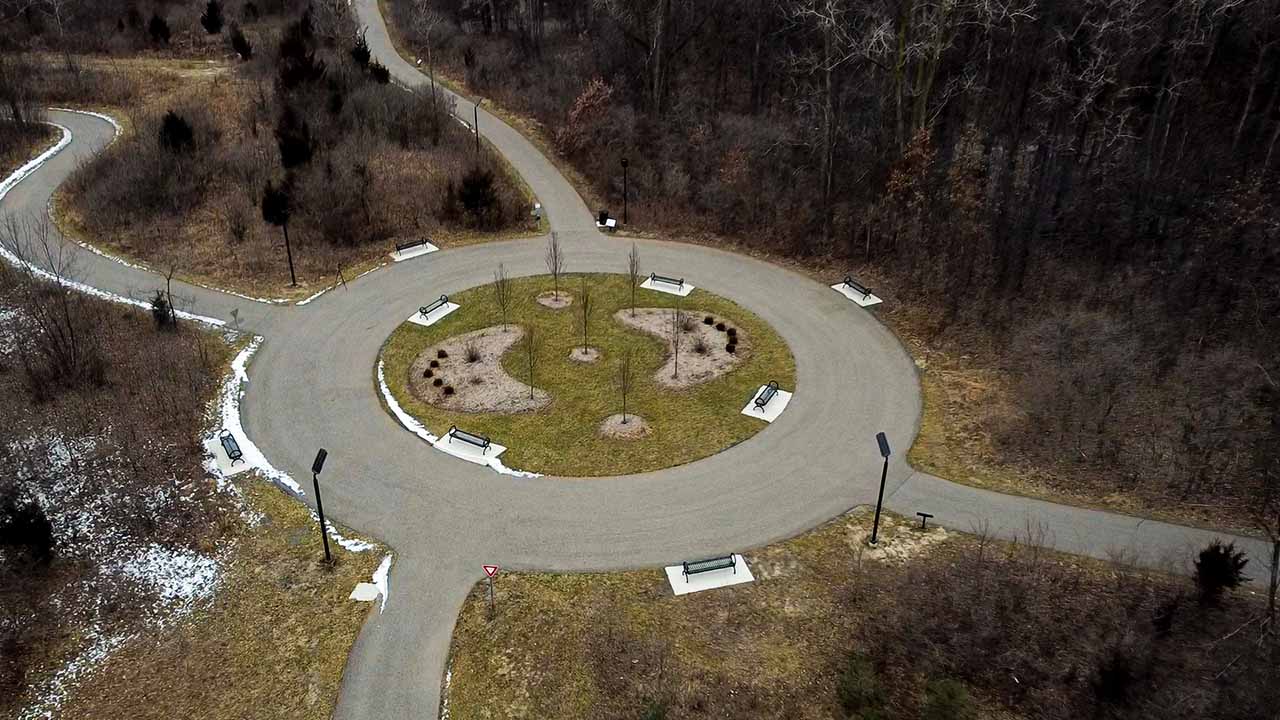
Compliant with NS-EN 13201 lighting classes utilizing asymmetric Type III optical lenses.
Get a Quote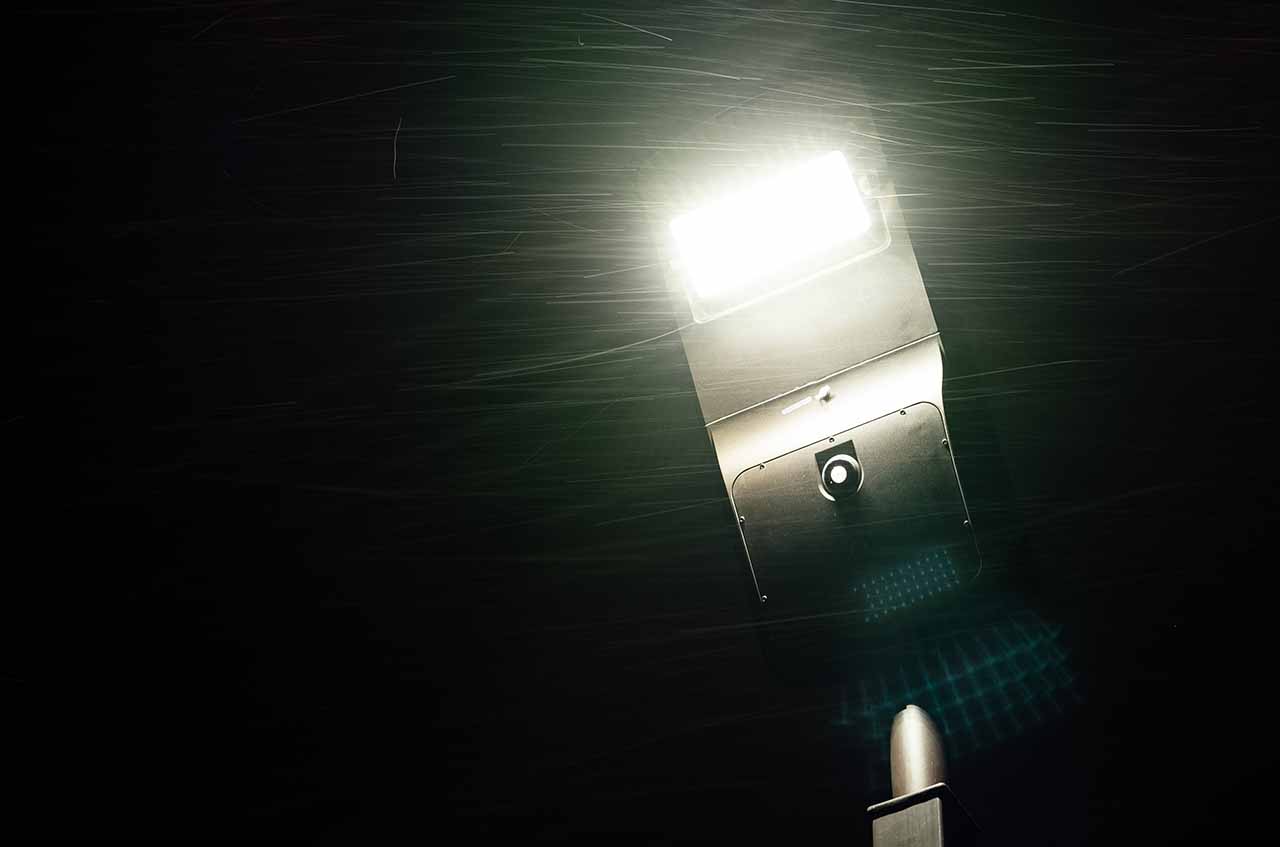
C5-M anti-corrosion finish with smart motion sensor energy saving dimming profiles.
Get a QuoteTechnical Clarifications for Engineering Consultants, Municipal Planners, and Procurement Officers
During Norway's Polar Night, daylight is minimal or non-existent for weeks. Our custom OEM split systems are engineered with oversized high-wattage monocrystalline solar panels (up to 200% over-paneled) paired with high-density grade-A LiFePO4 battery banks. Combined with custom MPPT firmware programmed with adaptive dimming profiles (e.g., 100% brightness during peak traffic, dimming to 30% with radar motion detection), our systems provide up to 7–10 days of continuous battery autonomy without requiring solar recharge.
Standard lithium batteries suffer severe capacity loss and cannot charge below 0°C. We offer two OEM sub-zero solutions: (1) Underground Battery Vault Enclosures buried below the frost line (1.2m–1.5m deep) where ambient earth temperatures remain constant around +4°C to +6°C, or (2) Pole-Mounted Thermal Battery Management Boxes equipped with internal self-heating silicone thermal pads. The intelligent controller uses initial solar power to warm the battery core to +5°C before initiating the main charge cycle.
For high-latitude deployment in cities like Oslo (59.9°N), Trondheim (63.4°N), or Tromsø (69.6°N), fixed solar panels must be mounted at steep tilt angles between 60° and 75°. This optimal angle maximizes irradiance capture from low winter sun zenith angles and enables automatic snow shedding via gravity, preventing heavy snow accumulation from blocking the PV cells.
Yes, as a specialized OEM manufacturer, our optical engineering team produces comprehensive Dialux evo 3D lighting renderings, IES photometric files, wind load calculations (Eurocode 1/3), and technical data sheets tailored specifically to Norwegian public lighting standards (NS-EN 13201). This allows engineering contractors to submit fully compliant tender documentation.
For Norwegian coastal installations exposed to harsh marine environments (such as West Coast fjords), we apply a multi-stage surface treatment process. Aluminum components undergo chromate conversion coating followed by thermosetting C5-M high-durability polyester powder painting (tested for 2,500+ hours in salt spray chambers). All external fasteners and hardware are upgraded to marine-grade 316 stainless steel.
We support both prototype tender samples and high-volume municipal rollouts. Standard sample production for customized OEM split solar lights takes 7–12 business days, while full container production orders typically ship within 20–25 days. Flexible MOQ options are available for specialized municipal trial projects across Norway.
Whether you are engineering an Arctic highway project in Finnmark or upgrading municipal infrastructure along the Fjord coastline, our engineering team delivers tailored split-type solar lighting solutions designed for high reliability, zero-carbon footprints, and long service life.