
Heavy-duty industrial off-grid systems customized with high-capacity LiFePO4 batteries, MPPT controllers, and 4G/5G CCTV integration.
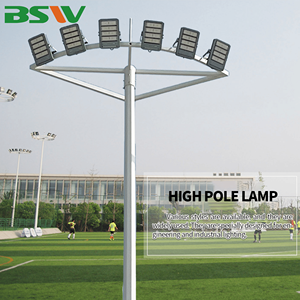
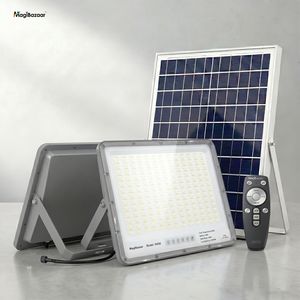
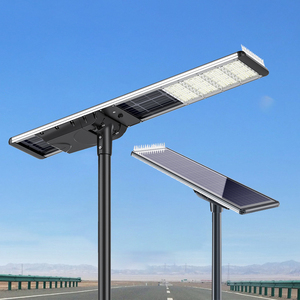
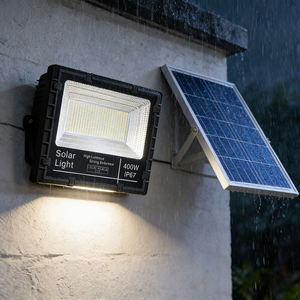
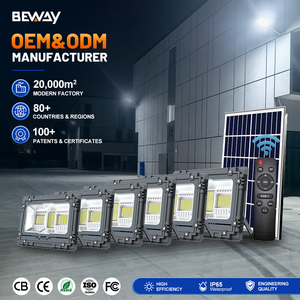
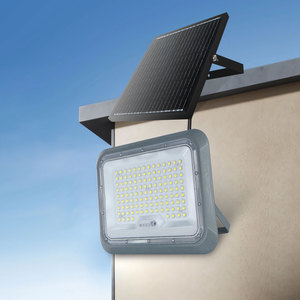
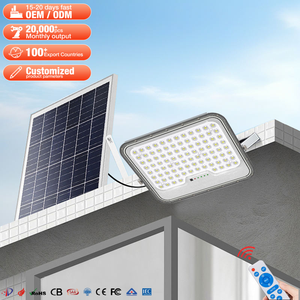
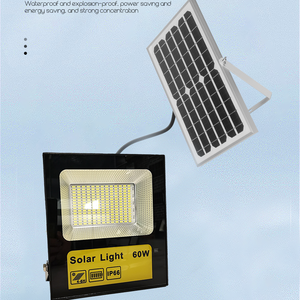
A comprehensive B2B technical guide on deploying autonomous off-grid security lighting masts across South America’s most demanding geographic and operational zones.
In the contemporary industrial landscape of South America, securing expansive, off-grid assets requires a robust convergence of zero-emission solar power, autonomous telemetry, and high-efficiency LED illumination. Brazil, characterized by its vast geographical envelope—ranging from the equatorial conditions of the Amazonian basin to the arid, high-solar-irradiance regions of the Northeast (Sertão) and the industrial core of the Southeast—presents unique environmental and operational challenges for security managers, civil infrastructure contractors, and mine operators. As a leading custom OEM solar CCTV security light towers supplier for Brazil, our engineering paradigm is rooted in structural resilience, thermodynamic optimization, and full regulatory compatibility with Brazilian technical standards (such as ANATEL and ABNT NBR guidelines).
Information Gain Insight: Unlike standard off-the-shelf lighting masts, our custom OEM solar CCTV towers feature modular MPPT multi-peak tracking algorithms, high-ambient LiFePO4 battery thermal management (up to 65°C operational tolerance), and pre-wired telemetry mounts compliant with ANATEL-certified 4G/5G cellular modems and Starlink satellite nodes.
Traditional diesel generator light towers impose staggering operational expenditures (OPEX) in remote Brazilian regions due to continuous fuel replenishment, engine maintenance, site transport logistics, and carbon output. Our customized mobile solar CCTV light towers eliminate fossil fuel dependency completely by integrating top-tier Monocrystalline PERC and N-Type TOPCon photovoltaic modules featuring efficiency ratings exceeding 22.5%. These panels are mounted on 360-degree rotational frames with dual-axis tilt adjustments, enabling maximum solar energy capture regardless of whether the tower is positioned in latitude 5° N in Roraima or latitude 30° S in Rio Grande do Sul.
The core electronic heart of each unit relies on proprietary Maximum Power Point Tracking (MPPT) charge controllers engineered for >99% tracking efficiency. This ensures rapid battery replenishment even during overcast periods during the Brazilian rainy season ("Inverno Amazônico" or southeastern monsoon periods). Power is stored within heavy-duty Lithium Iron Phosphate (LiFePO4) battery banks equipped with active Smart Battery Management Systems (BMS). LiFePO4 chemistry provides over 4,000 deep discharge cycles at 80% DoD (Depth of Discharge), delivering a functional lifespan of over 10 years without capacity degradation—far surpassing conventional AGM or Gel lead-acid batteries in high-heat environments.
Monocrystalline TopCon/PERC panels delivering high power output under high ambient temperature coefficients common across Brazil's tropical zones.
Automotive-grade cell construction with intelligent thermal throttling and heat sink insulation, surviving extreme thermal stress up to +65°C.
Custom junction boxes housing high-gain omnidirectional 4G/5G antennas, dual-SIM failover modems, and edge NVR security systems.
Mechanical reliability in remote deployments hinges on mast engineering. Our OEM facilities design and fabricate telescopic masts utilizing Q235/Q345 high-tensile structural steel or lightweight aircraft-grade aluminum alloys. To withstand aggressive environmental corrosion—such as coastal salt spray near major maritime ports like Santos, Paranaguá, and Suape, or corrosive airborne particulate in open-pit mining operations—all steel components undergo hot-dip galvanization compliant with ISO 1461 standards, yielding a zinc coating thickness exceeding 85 microns.
Masts can be engineered with manual hand-winch mechanisms, pneumatic lifting columns, or heavy-duty electro-hydraulic actuators extending up to 9 to 12 meters in height. The structural design is validated through Finite Element Analysis (FEA) to maintain stability in wind gusts up to 120 km/h with a full payload of optical PTZ cameras, thermal sensors, strobe alarms, and high-lumen LED floodlights. Anti-vibration damper plates and locking pins ensure structural integrity alongside active heavy equipment or in windy agricultural plains.
Tailor-made off-grid surveillance and illumination solutions addressing specific security and operational challenges in South America.
Deployable across iron ore and bauxite extraction zones (such as the Quadrilátero Ferrífero and Carajás region). Designed with IP67 sealed enclosures to prevent fine dust ingress and heavy-duty vibration dampening compliant with NR-22 mine safety rules. Offers continuous 24/7 monitoring of tailing dams, haul roads, and equipment staging areas without power cables.
Vast agricultural estates in central-western Brazil face significant risks of high-value cargo theft (fertilizers, pesticides, machinery). Our OEM light towers integrate long-range thermal cameras and motion-activated LED floodlights, transmitting real-time alerts over 4G or satellite networks directly to farm managers' mobile devices.
Illuminating container yards, customs holding zones, and remote stretches along major transport corridors (Rodovia dos Bandeirantes, Presidente Dutra). Provides crisp 6000K daylight illumination coupled with high-definition PTZ camera footage, discouraging unauthorized perimeter breaches and ensuring compliance with ISPS code mandates.
Mobile trailers tailored for night-shift road construction and municipal drainage projects. Zero noise pollution and zero localized toxic emissions make them ideal for urban environments in São Paulo and Rio de Janeiro, aligning with stringent civil work site safety codes (NR-18).
Navigating technical standards, environmental ESG initiatives, and import requirements in South America.
Industrial enterprises operating across Brazil are rapidly accelerating their transition toward net-zero operations driven by strict corporate Environmental, Social, and Governance (ESG) criteria. Traditional mobile lighting assets rely heavily on small diesel gensets, which consume between 1.5 to 2.5 liters of fuel per hour. Over a standard annual operating cycle of 4,000 hours, a single diesel light tower generates up to 25 metric tons of CO2 emissions and costs thousands of dollars in fuel and maintenance.
By replacing fossil-fueled masts with our customized OEM solar CCTV security towers, commercial buyers in Brazil achieve complete operational decarbonization at the site level while attaining a typical Return on Investment (ROI) period of just 12 to 18 months. Furthermore, the total absence of engine noise (<0 dB operational sound signature) improves worker health and safety conditions on job sites, complying with NR-15 (Unhealthy Activities and Operations) acoustic standards.
Importing and operating electronic security and lighting equipment in Brazil requires strict alignment with national regulatory frameworks. As an experienced OEM exporter, our manufacturing processes integrate pre-certified components to streamline customs clearance and local operational authorization:
Over 20 years of vertical manufacturing expertise powering 500+ commercial projects across 6 continents.
Fully integrated production—from aluminum die-casting and automated SMT circuit assembly to mast welding and final assembly under ISO9001 QA/QC protocols.
Utilizing premium Lumileds and Bridgelux LED chips paired with customized optical lenses, providing maximum lux output with minimal energy draw.
Dedicated assistance with NCM tariff classifications, containerized shipping optimization, and RADAR import registration guidance for Brazilian buyers.





Essential engineering and commercial answers for Brazilian B2B buyers, importers, and project engineers.
Partner directly with an established OEM factory leader. Contact our engineering team today for complimentary photometric DIALux simulations, customized technical proposals, and factory-direct B2B quotations.