
Engineered for extreme tropical climates, high humidity, and prolonged rainy autonomy. Factory-direct wholesale for Malaysian engineering contractors, municipal projects, and distributors.
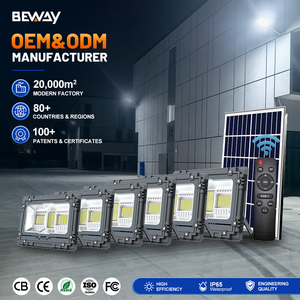
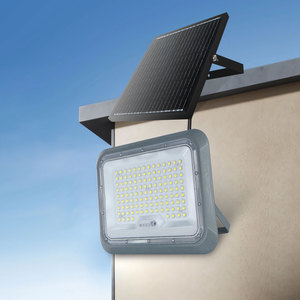
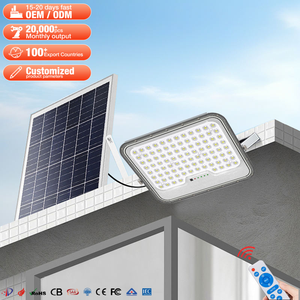
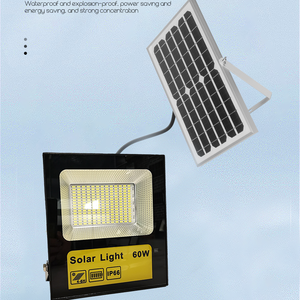
Grade-A Lithium Iron Phosphate cells offering zero thermal runaway risks up to 65°C ambient, matching Malaysia's tropical thermal demands.
Patented Maximum Power Point Tracking with 98.5% charging efficiency and dual-stage intelligent load control algorithms.
Heavy-duty galvanized steel poles with fluorocarbon powder coating designed for coastal marine atmospheric hazards in Malaysia.
As Malaysia advances its national sustainability targets under the National Energy Transition Roadmap (NETR) and expands infrastructure developments across Peninsular Malaysia, Sabah, and Sarawak, the demand for high-reliability, off-grid outdoor lighting has transformed dramatically. Traditional grid-tied street lighting presents substantial capital expenditures (CapEx) regarding cable trenching, transformers, and ongoing utility bills—vulnerabilities amplified by seasonal monsoon disruptions and remote geographic terrain.
Sourcing commercial-grade solar light poles integrated with advanced Lithium Iron Phosphate (LiFePO4) battery systems directly from specialized China manufacturing plants has become the primary procurement strategy for Malaysian Engineering, Procurement, and Construction (EPC) contractors, municipal councils (PBTs), real estate developers, and industrial park managers. This whitepaper details the architectural, electrochemical, and environmental specifications essential for selecting high-gain solar lighting hardware tailored for Malaysia's unique equatorial climate.
Malaysia operates under a tropical rainforest climate characterized by high uniform temperatures (ranging between 28°C to 35°C ambient), elevated relative humidity (frequently exceeding 85%), and intense seasonal monsoons—the Northeast Monsoon (November to March) and Southwest Monsoon (May to September). Standard off-the-shelf solar lighting often experiences catastrophic failure within 12 to 18 months due to battery thermal degradation, moisture ingress, and insufficient battery reserves during multi-day heavy cloud cover.
In high ambient temperature zones, internal luminaire temperatures can spike above 60°C. Legacy Ternary NCM/NMC (Nickel Cobalt Manganese) chemistry suffers rapid capacity loss and thermal runaway risks under these conditions. Our factory exclusively utilizes Grade-A LiFePO4 cells, offering distinct performance advantages:
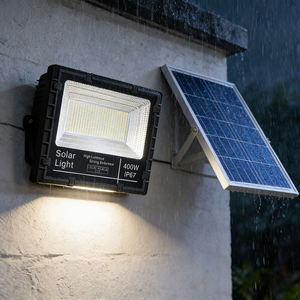
Monsoon downpours demand uncompromising enclosure integrity. Our luminaire heads and battery compartments utilize die-cast ADC12 high-density aluminum alloy paired with seamless silicone gasket rings, achieving true IP67 waterproof and dustproof protection. For coastal installations—such as Penang Port, Kemaman, Kota Kinabalu, and Johor's coastal industrial zones—solar poles undergo hot-dip galvanization (minimum 85 µm zinc coating thickness) and top-layer C4/C5 grade anti-UV powder coating to withstand saline atmospheric corrosion for over 25 years.
To deliver an industry-leading luminous efficacy of up to 200 Lumens per Watt (Lm/W) while maintaining continuous night illumination through 7 consecutive rain days, every sub-system must be engineered in total harmony:
A. Monocrystalline Photovoltaic Panels: High-efficiency N-Type PERC silicon cells with anti-reflective glass coating, delivering up to 23.5% solar conversion efficiency even under diffuse sunlight conditions typical of cloudy afternoon storms in Kuala Lumpur or Kuching.
B. Intelligent MPPT Control Architecture: Patented Maximum Power Point Tracking (MPPT) algorithms track peak solar radiation 100 times per second, yielding 25% to 30% higher charging energy transfer than low-cost PWM controllers under low-light conditions.
C. Optical Precision & Distribution: Custom PMMA optical lenses offering Type II, Type III, and Batwing light distribution profiles. This ensures uniform lux levels across multi-lane highways or commercial car parks without spill light or dark zones, directly complying with JKR (Jabatan Kerja Raya) street lighting benchmarks.
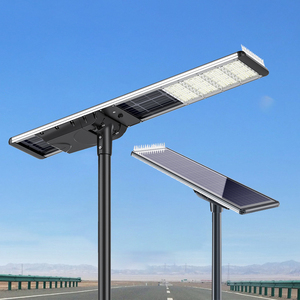
Connecting rural towns across Pahang, Perak, Sabah, and Sarawak often involves expensive grid extensions across dense rainforest terrain. Deploying standalone solar street light poles eliminates millions of Ringgit (MYR) in cabling infrastructure. Integrated solar street poles (ranging from 60W to 150W LED output mounted on 6m to 12m poles) provide autonomous dusk-to-dawn illumination, significantly reducing rural road transit hazards.
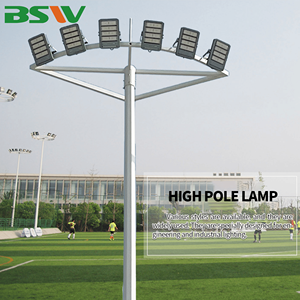
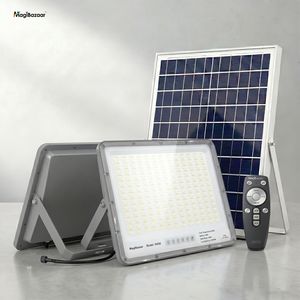
Malaysia's vast oil palm estates (in regions like Sandakan, Tawau, and Segamat) require robust security and access lighting across remote weighbridge stations, processing mills, and worker quarters. Grid infrastructure in these agricultural belts is frequently unstable or nonexistent. High-mast solar floodlights (400W to 1000W) equipped with high-capacity LiFePO4 batteries ensure continuous 24/7 security illumination without reliance on costly, diesel-generator power networks.
Modern industrial hubs in Selangor (Shah Alam, Westports) and Johor (Iskandar Malaysia) prioritize ESG (Environmental, Social, and Governance) green building certifications (such as GBI Malaysia). Integrating smart solar floodlights and decorative solar post-top poles around logistics bays and commercial perimeters lowers operational electricity overheads while earning carbon credit offsets.
In resort destinations like Langkawi, Redang, and Tioman Island, laying underground power cables ruins natural landscapes and exposes wiring to saltwater decay. Corrosion-resistant solar light poles provide zero-impact installation with instant operational readiness, standing up to tropical storm winds of up to 45 m/s.
Purchasing wholesale solar lighting hardware directly from China manufacturing facilities offers distinct commercial advantages for Malaysian buyers—provided supply chain and compliance standards are rigorously audited.
Answers to common technical, logistics, and installation queries from Malaysian engineers and wholesale buyers.
With over two decades of dedicated solar lighting innovation, our manufacturing complex operates across 5 specialized production facilities. From raw alloy die-casting to advanced SMT PCB assembly and LiFePO4 battery pack building, full vertical integration guarantees total quality control and competitive wholesale pricing.
Complete control over die-casting, aluminum pole fabrication, LED surface mounting, BMS assembly, and automated aging testing.
Every luminaire undergoes 24-hour full-power burn-in testing, IP67 waterproof submersion testing, and sphere spectrophotometer optical checks before dispatch.
Complimentary Dialux lighting simulations, photometric analysis, custom bracket design, and tender technical compliance documentation for engineering buyers.
Contact our senior engineering and export sales team today to request direct factory pricing, bulk order discounts, technical datasheets, and custom project quotations.
Contact Us