
High-output commercial floodlights and integrated street luminaires engineered for extreme weather resilience, municipal infrastructure compliance, and maximum photometric performance.
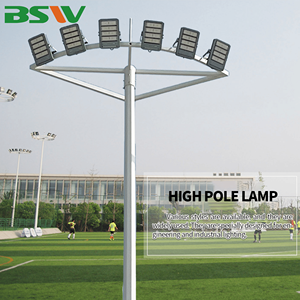
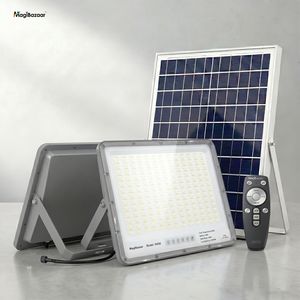
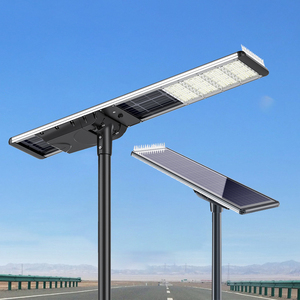
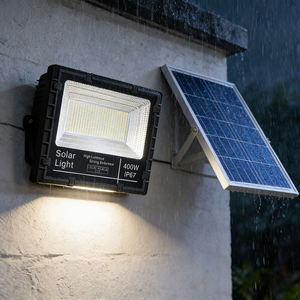
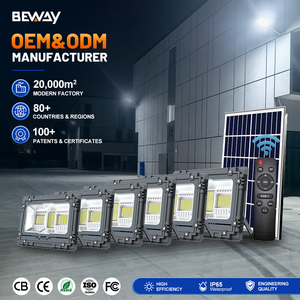
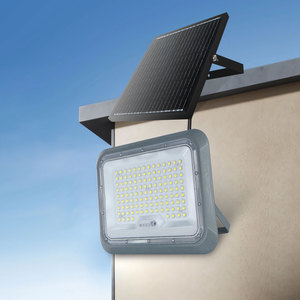
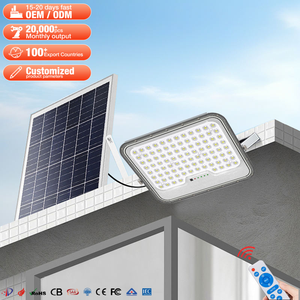
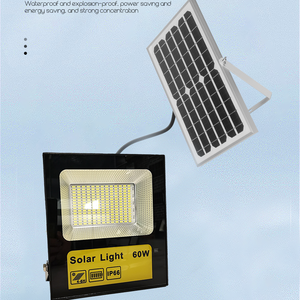
As municipal infrastructure planners, industrial developers, and EPC contractors navigate the dual mandates of carbon neutral energy transitions and stringent public procurement acts, off-grid solar illumination has evolved from an eco-conscious alternative to an operational imperative. In regions like Berlin and Brandenburg, where winter solar elevation drops significantly and municipal energy resilience dictates architectural specifications, selecting a qualified BAA Compliant Solar Lights Manufacturer demands an unprecedented level of technical verification.
The Buy American Act (BAA) and Federal Highway Administration (FHWA) Buy America preferences mandate specific thresholds for component origin, domestic assembly, and manufacturing value-add. For transatlantic development projects, European industrial entities, and US military or diplomatic installations situated throughout Germany, procuring luminaires that align with both BAA compliance criteria and European CE, DIN VDE, and EN 60598 safety standards has historically presented a complex supply-chain challenge.
By unifying high-precision die-casting, custom optic engineering, and smart MPPT (Maximum Power Point Tracking) microcontrollers under 5 dedicated manufacturing plants, our manufacturing network bridges the gap between European design standards and American statutory procurement compliance. This structural integration eliminates project risks for engineering firms executing federally funded, municipal, or high-security commercial projects globally.
Berlin operates at approximately 52.5° N latitude. This geographic position subjects outdoor lighting infrastructure to severe seasonal shifts: peak summer days yield upwards of 16 hours of daylight, whereas winter months deliver under 8 hours of low-angle, heavily diffused sunlight with average solar irradiance dropping to less than 1.2 kWh/m²/day.
Standard off-the-shelf solar lighting fixtures frequently fail in Central and Northern European winters due to three primary systemic flaws: undersized monocrystalline PV panels, inefficient PWM controllers, and thermal degradation of battery storage systems. To overcome these environmental obstacles, our Berlin-focused industrial solar systems incorporate three vital engineering pillars:
The following data visualization matrix illustrates the empirical performance delta between commercial SOLTECH-engineered BAA compliant luminaires and standard market-grade outdoor solar fixtures deployed in European industrial zones:
| Technical Architecture | SOLTECH Commercial Solar Systems | Standard Municipal Solar Fixtures | Traditional Grid LED Luminaires |
|---|---|---|---|
| Luminous Efficacy | Up to 200 Lm/W (Lumileds 5050) | 110 – 130 Lm/W | 100 – 140 Lm/W (Excluding Grid Loss) |
| Battery Autonomy | 7+ Nights (Smart Dimming / Low Lux) | 1 – 2 Nights Maximum | 0 Days (Grid Dependent) |
| Battery Chemistry | Grade-A LiFePO4 with BMS Heater | Ternary NCM / Lead-Acid | N/A |
| Operating Temperature | -20°C to +65°C Continuous | -10°C to +40°C | -30°C to +50°C |
| Regulatory Compliance | BAA Compliant, UL Listed, DLC, CE, IP67 | CE Only / Basic IP65 | CE, UL, RoHS |
| Trenching & Wiring Cost | €0.00 (100% Off-Grid Independent) | €0.00 (Off-Grid) | €45 - €120 per Linear Meter |
Integrating off-grid industrial solar lighting into urban master plans and industrial logistics hubs requires precise photometric planning. Below are key localized deployment scenarios currently utilizing our specialized commercial fixture series in Berlin and surrounding metropolitan zones:
The European Union’s Fit for 55 policy package alongside Germany's Gebäudeenergiegesetz (GEG) has fundamentally accelerated the decentralization of municipal electrical infrastructure. Public authorities in Berlin are increasingly reluctant to approve heavy civil engineering works—such as trenching up historic cobblestone streets or disrupting busy commercial avenues—simply to lay AC power cables for conventional street lighting.
Off-grid solar lighting systems effectively eliminate network connection fees, transformer upgrades, and ongoing utility billing. Furthermore, during periods of peak grid stress or emergency power disruptions, self-contained solar luminaires remain fully operational, serving as critical resilient security infrastructure for municipal disaster management plans.
Unlike catalog assemblers who source disconnected components from third-party vendors, our enterprise manufacturing framework operates 5 proprietary factories spanning over 120,000 square meters of production space. This complete vertical integration guarantees strict adherence to quality parameters at every stage of production:
With over two decades of dedicated solar luminaire research and more than 500 utility-scale installations completed across North America, Europe, Asia, and the Middle East, our technical advisory team provides turnkey support for engineering consultants. From initial IES file photometric renders (AGi32 modeling) to custom mounting bracket fabrication and automated smart city gateway configurations (LoRaWAN/Zigbee controls), we deliver end-to-end reliability.
Detailed technical answers regarding BAA compliance, German winter performance, certification protocols, and procurement workflows.
Verified Procurement Compliance
North American Safety & Efficacy
European Union Electrical Standards
Certified Quality & Environmental Mgmt
Partner with an established BAA Compliant Solar Lights Manufacturer. Download our complete 2026 commercial solar lighting catalog, photometric IES files, and engineering white paper today.