Explore technical guides, industry news, project showcases, and expert insights on commercial solar LED lighting.
Solar Signage Lights can make a roadside message visible without a nearby grid connection. Yet a bright sign at noon may look weak after dusk, and a cloudy week can expose a poor system design. Small details matter: panel angle, battery capacity, mounting height, and the distance between the light and the sign face.
Energy-efficiency expert Amory Lovins is often credited with the reminder, “The cheapest energy is the energy you don’t use.” It is a useful lens for comparing Solar Signage Lights. Efficient LEDs, sensible operating hours, and well-matched panels can reduce wasted power. But no single specification tells the whole story. A larger battery may help through poor weather, while also adding cost and weight. Trade-offs are real.
This guide introduces ten options for global buyers, with attention to brightness, construction, installation, and likely operating conditions. Product claims should still be checked against current datasheets and local site requirements. That matters.
Expect practical differences, not a universal winner. A compact sign beside a shop entrance has different needs from a highway-facing board. Even good equipment can disappoint when shade, dust, or an awkward mounting angle is overlooked. The comparison is a starting point, not a substitute for a site assessment.
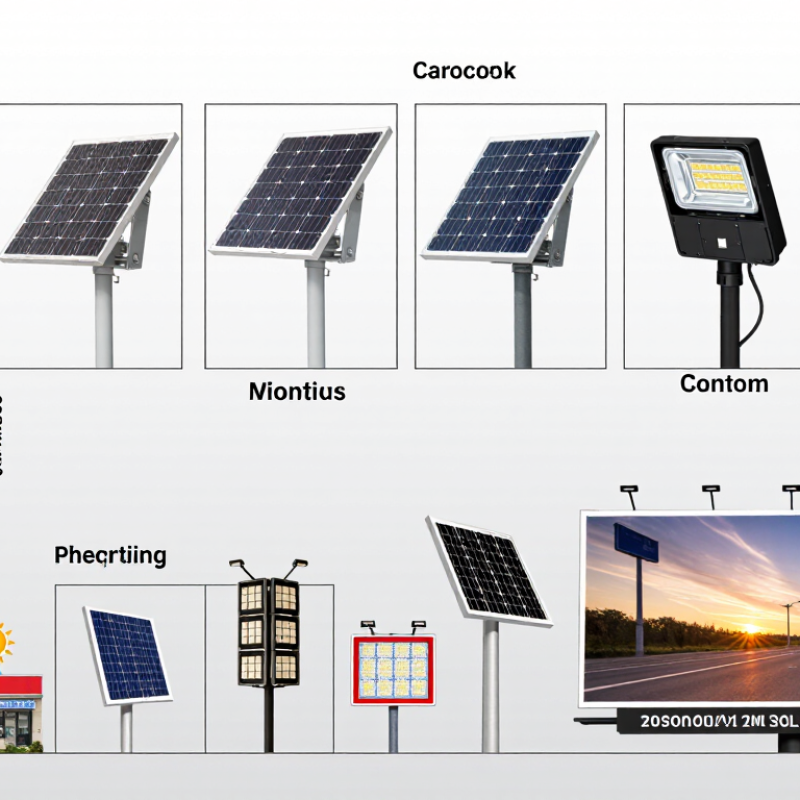
Solar signage lights are self-contained systems that use a photovoltaic panel to charge a battery, then power LEDs after dark. They illuminate sign faces or nearby information panels without a direct grid connection. Typical locations include parking areas, rural road approaches, campus paths, transit stops, and temporary wayfinding points. The sign may be easy to spot by day; readable lighting at night is the real test.
The wider market is growing, but broad solar statistics do not guarantee a particular sign will perform well. The International Energy Agency’s Renewables 2023 report says global renewable capacity additions rose nearly 50% in 2023, to almost 510 gigawatts, with solar PV contributing roughly three-quarters. That is useful context, not a signage-specific forecast. Shadows still matter. A panel beneath a tree or beside a tall wall may collect too little energy, even in a sunny region.
For buyers, check the site’s daily sunlight, required lighting hours, sign dimensions, and expected cloudy-weather reserve. A narrow trail marker needs less light than a large roadside panel. Battery capacity and LED placement also affect performance; uneven brightness can leave text hard to read. One detail is easy to underestimate: seasonal shade. A neat installation can still need adjustment after trees grow or nearby structures change.
A solar signage light works as a compact off-grid system. A photovoltaic panel converts daylight into direct-current electricity, which a charge controller uses to recharge a battery. After dusk, a sensor or timer switches on the LEDs. A driver regulates current so the sign stays evenly lit instead of flickering as battery voltage falls. Small system. Careful sizing matters.
The U.S. Department of Energy reports that LEDs use at least 75% less energy than incandescent lighting and can last up to 25 times longer. That efficiency helps reduce the panel and battery capacity a sign may need, though actual consumption depends on brightness and nightly operating hours. IEA PVPS’s Trends in Photovoltaic Applications 2024 reports that global installed solar capacity reached about 1.6 terawatts by the end of 2023. That scale shows how established the underlying technology is, but it does not guarantee a sign will perform well at every site.
Real locations are messier. Shade from a tree, dust on the panel, winter days, and a north-facing installation can all reduce charging. Battery autonomy—the number of nights a system can operate without useful sunlight—is worth checking against local conditions. A bright display can still go dark after several cloudy nights. I would not treat a supplier’s “all-night” claim as a design figure without checking panel output, battery capacity, and the sign’s actual load.
The configurations below are representative system designs, not specific branded products. Figures are indicative; confirm sizing against local solar conditions, sign dimensions, and required lighting levels.
| Rank | Typical application | PV panel | Battery storage | LED load | Typical nightly operation | Indicative autonomy | Suitable mounting / notes |
|---|---|---|---|---|---|---|---|
| 1 | Small address or wayfinding sign | 10 W | 12.8 V, 6 Ah (about 77 Wh) | 3 W | About 10–12 hours, dusk-to-dawn | About 1–2 nights, depending on usable battery capacity | Compact sign; panel can be mounted above or beside the sign |
| 2 | Small storefront or entrance sign | 20 W | 12.8 V, 12 Ah (about 154 Wh) | 5 W | About 10–12 hours, with optional dimming | About 1–2 nights | Wall or sign-frame mounting; aim the panel toward the local equator |
| 3 | Single-post roadside or property sign | 30 W | 12.8 V, 18 Ah (about 230 Wh) | 8 W | About 10–12 hours; photocell control is common | About 1–2 nights | Pole or bracket mount; check wind loading and panel shading |
| 4 | Medium-format shop or facility sign | 40 W | 12.8 V, 24 Ah (about 307 Wh) | 10 W | About 10–12 hours; dimming can extend operation | About 1–2 nights | Suitable for a dedicated sign frame with separate panel and battery enclosure |
| 5 | Directional sign at a car park or site entrance | 60 W | 12.8 V, 30 Ah (about 384 Wh) | 15 W | About 10–12 hours; sensor or timer controlled | About 1–2 nights | Pole-mounted panel; verify light distribution across the sign face |
| 6 | Large roadside or commercial sign | 80 W | 12.8 V, 40 Ah (about 512 Wh) | 20 W | About 10–12 hours; programmable dimming recommended | About 1–2 nights | Use a secure pole or frame; consider a larger battery for cloudy seasons |
| 7 | Wide sign with two or more illuminated sections | 120 W | 12.8 V, 60 Ah (about 768 Wh) | 30 W | About 10–12 hours; split LED circuits can improve uniformity | About 1–2 nights | Separate LED modules help reduce dark areas across a wide sign |
| 8 | Large site identification or campus sign | 160 W | 12.8 V, 80 Ah (about 1,024 Wh) | 40 W | About 10–12 hours; overnight dimming profile recommended | About 1–2 nights | Check structural support, cable protection, and battery service access |
| 9 | High-visibility sign in a low-sunlight season or location | 200 W | 12.8 V, 100 Ah (about 1,280 Wh) | 40 W | About 10–12 hours; reduce output late at night to conserve energy | About 2 nights, depending on battery settings and weather | Larger panel and battery provide more charging and storage margin |
| 10 | Very large or multi-face sign installation | 250 W | 12.8 V, 150 Ah (about 1,920 Wh) | 60 W | About 10–12 hours; system may use multiple LED fixtures | About 1–2 nights; site-specific engineering is essential | Consider multiple panels, distributed lighting, and a professionally sized controller |
Selection note: Battery energy in watt-hours is calculated as nominal voltage × amp-hours. Usable capacity is lower than nominal capacity because of battery chemistry, controller settings, temperature, and reserve requirements. Confirm required charge capacity using local peak-sun-hour data and the actual LED energy use; a site assessment is recommended for critical signage.
When comparing solar signage lights, start with the sign and its location. A narrow panel may suit a small directional board, while a roadside display needs more even coverage. Check measured lumen output and beam angle, not just advertised brightness. Color temperature also matters: neutral white can keep lettering clear without making a warm-toned sign look harsh. Test the light after dusk.
Compare the solar panel, battery, and controls as one system. A panel can lose useful sun beneath tree branches or beside a tall wall, even when correctly oriented. Ask how long the fixture runs after a cloudy day and whether it dims automatically overnight. Battery capacity sounds reassuring, but poor charging conditions can defeat it. Look for weather-resistant construction, secure cable entry, and a bracket that stays steady in wind. Check the stated ingress rating and warranty terms against the installation environment. Small details count. If possible, inspect a sample on the actual sign; catalog photos rarely reveal glare, shadows, or uneven illumination. There is no perfect choice, and buyers may find their first brightness setting wastes energy. Leave room to adjust it.
Solar signage lights serve different jobs, from highlighting a shop name to guiding visitors across a dark parking area. Integrated sign-top units suit small storefronts, while panel-mounted spotlights can illuminate larger boards from above. Edge-lit fixtures sharpen lettering on slim directional signs; backlit cabinet lights keep menus and service notices readable. Compact wall-mounted units work beside entrances and loading bays. Small details matter.
Floodlights cover billboards and wide outdoor displays, but their beam angle needs careful adjustment to limit glare. Pole-mounted wayfinding lights help at campuses and parking lots; low-profile canopy lights mark transit shelters and covered entrances. Portable ground-mounted models support temporary events, while modular panel arrays suit long roadside signs with limited grid access. Each setup depends on sign size, sun exposure, and desired operating hours. Check battery capacity and winter performance, not just advertised brightness. A cloudy week can expose a weak design. Some signs may still look uneven if panels are shaded or aimed poorly, an issue that is easy to miss during a daytime inspection.
Solar signage lights need a site survey before installation. Check seasonal shade, prevailing wind, soil stability, and viewing distance. Aim the panel toward the equator, then adjust its tilt for local conditions. Keep it clear of roof edges and branches. Small details matter.
IEA PVPS reported that global cumulative solar photovoltaic capacity exceeded 1.6 terawatts in 2023. That scale makes consistent component records and clear installation instructions increasingly important for international buyers.
For maintenance, schedule inspections after severe weather and at least once a year. Wipe dust and salt from panels with a soft cloth; inspect seals, cable glands, and fasteners for cracks or corrosion. Record battery test results and operating hours.
A dim sign may indicate shading, a loose connection, or battery aging—not a failed LED alone. Remote monitoring can help, but it does not replace an occasional hands-on check. The weak point is often the maintenance plan, not the lamp.
Compliance depends on the product’s intended use and destination market. Check whether IEC 60598-1 and the relevant luminaire-specific requirements apply; IEC 60529 defines IP enclosure ratings. Request test reports for ingress protection, electrical safety, and electromagnetic compatibility, and verify local marking and documentation rules before shipment.
Requirements vary. Do not assume one certificate covers every country. Even careful buyers can miss a local requirement, so confirm the final specification with a qualified testing body.
An integrated sign-top unit often suits a compact shop name. Check whether roof edges or nearby branches shade its panel.
Panel-mounted spotlights or floodlights can cover wide displays. Aim the beam carefully to limit glare. Poor aiming can wash light across nearby windows.
Edge-lit fixtures can sharpen lettering on slim signs. Backlit cabinet lights keep menus and service notices readable. Small letters still need a night check.
Pole-mounted wayfinding lights can mark routes across parking lots and campuses. Place them where drivers and walkers can see them early. Gaps matter.
Survey seasonal shade, wind, soil stability, and viewing distance. Aim the panel toward the equator, then adjust its tilt for local conditions. Branch shadows are easy to miss.
Inspect it after severe weather and at least once a year. Wipe dust and salt from panels with a soft cloth. Check seals, cable glands, and fasteners for damage.
Shading, a loose connection, or an aging battery may reduce brightness. Record battery test results and operating hours. Monitoring helps, but it cannot replace a hands-on check.
Check applicable safety, enclosure, and electromagnetic compatibility requirements for the destination market. Request relevant test reports and confirm local marking rules. One certificate may not cover every country. I may still be missing a detail.
Solar Signage Lights provide a practical way to illuminate signs in locations where reliable access to grid power may be limited. They typically combine a solar panel, rechargeable battery, light source, and control components that store energy during daylight and power the sign after dark. Common applications include roadside signs, business directories, property entrances, construction notices, and directional displays. When comparing options, global buyers should consider brightness, panel and battery capacity, operating time, weather resistance, mounting flexibility, charging performance, and suitability for local climate conditions. The top choices vary by application: compact units can suit small signs, while larger or adjustable systems may better serve broad panels or areas with limited sunlight.
Successful use also depends on careful installation and routine maintenance. Position panels to receive adequate sunlight, secure fixtures appropriately, and keep panels and light covers clean. Buyers should check product documentation for applicable electrical, safety, and import requirements in their destination markets, as these can differ by country. Regularly inspecting batteries, connections, and mounting hardware helps maintain dependable illumination and extend service life.
