0%

Mobile Solar Light Towers are changing how global buyers approach temporary and remote lighting. They combine solar panels, rechargeable batteries, telescopic masts, and efficient LED lamps in one transportable system. These units can support construction sites, road repairs, emergency staging areas, farms, events, and community projects where grid power is limited.

Bright output matters. It is not enough.

A reliable tower should provide stable illumination through changing weather and long working hours. Buyers should examine battery capacity, charging time, operating runtime, mast height, lamp coverage, wheel design, and control options. Weather resistance is also important, especially for coastal, tropical, dusty, or cold environments. An IP rating can offer useful guidance, but it should not replace careful product verification.

This Top 10 guide compares Mobile Solar Light Towers for international purchasing decisions. It considers practical details, including transport size, panel efficiency, maintenance access, safety features, warranty support, and available certifications. Real operating conditions often reveal weaknesses that brochures hide. A tower may perform well under clear skies but struggle after several cloudy days. That detail deserves attention.

No ranking is flawless. Product availability, shipping costs, regional standards, and after-sales service can change the final choice. Global buyers should request current specifications and confirm documentation before ordering. A lower purchase price may become expensive when batteries, spare parts, or technical support are difficult to obtain. The strongest option is not always the brightest model. It is the one that delivers dependable light, manageable ownership costs, and practical support where it is needed.
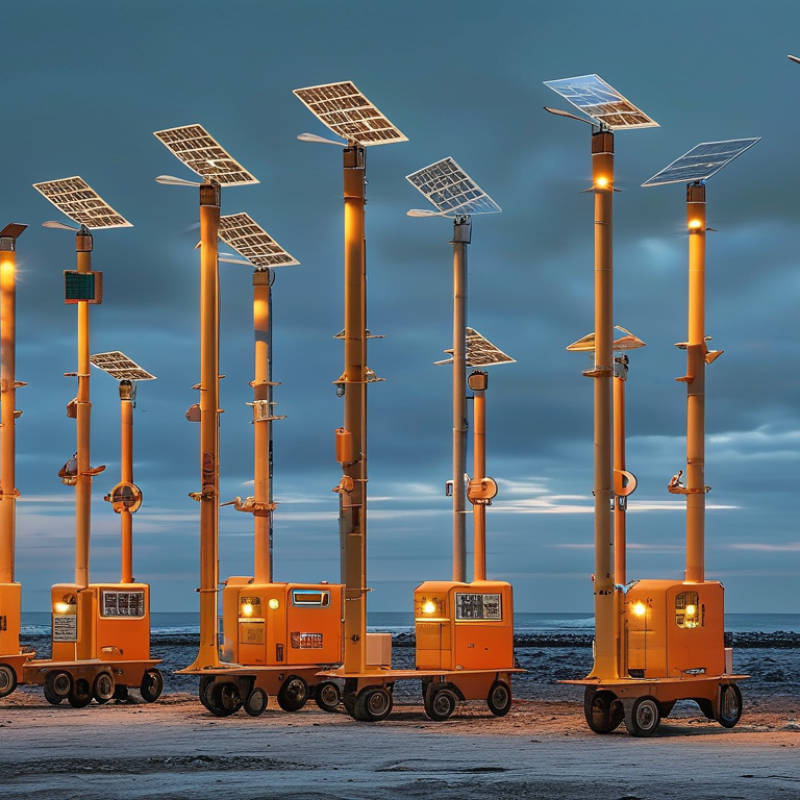
Top 10 Mobile Solar Light Towers for Global Buyers

What Mobile Solar Light Towers Are and How They Work

Mobile solar light towers are portable lighting systems powered by photovoltaic panels. They usually combine a solar array, charge controller, battery bank, LED fixtures, and a telescopic mast. During daylight, the panels convert sunlight into electricity. The controller stores that energy safely. After sunset, the battery powers the LEDs without a diesel engine or fixed grid connection.

The International Renewable Energy Agency reported 1,419 GW of global solar capacity by the end of 2023. Solar deployment is expanding quickly. However, a light tower still depends on local conditions. Panel angle, dust, shade, temperature, and winter daylight all affect performance. A practical unit may provide several nights of lighting after strong charging, but poor weather can reduce runtime sharply. This detail is often overlooked.

Operators typically position towers near work areas, entrances, roads, or emergency access points. The mast spreads light above temporary sites, while wheels or a trailer allow relocation. Battery chemistry, lumen output, and charging time deserve careful comparison. The International Energy Agency’s Renewables 2024 report also identifies solar as the main source of new renewable capacity growth through 2030. That supports wider adoption, but it does not remove maintenance needs. Clean the panels regularly. Check cables and battery condition. No design is perfect. In real projects, users sometimes choose excessive brightness and waste stored energy. A measured lighting plan usually performs better.

How to Evaluate the Top 10 Towers for Global Buyers

Top 10 Mobile Solar Light Towers for Global Buyers

When evaluating the top 10 mobile solar light towers, start with measurable performance, not glossy specifications. Check usable illumination at the work area, not only advertised lumens. A practical test should measure light at ten metres, during dusk and under partial cloud. Ask how long the battery supports full output. Rated runtime can look impressive, yet real sites often use higher brightness.

Mobility matters across different markets. Inspect wheel size, ground clearance, towing points, and the folded tower height. A unit that moves easily on a paved yard may struggle on gravel or wet soil. Examine the mast locking system, emergency stop, wind stability, and cable protection. Small details matter. Request the solar panel’s charging data in weak sunlight, especially for regions with short winter days.

Reliability also depends on evidence. Review battery cycle data, ingress protection, warranty conditions, and available replacement parts. Ask for independent test reports and clear maintenance instructions. Regional electrical and transport requirements should be confirmed before purchase. Compare ten towers using the same checklist, rather than trusting rankings alone. A perfect scorecard is unrealistic. I would leave room for service response time, because delayed support can cost more than a slightly higher purchase price. Some evaluation methods still miss operator training, which deserves closer attention.

Top 10 Mobile Solar Light Towers by Features and Applications

Top 10 Mobile Solar Light Towers by Features and Applications

Mobile solar light towers differ mainly in their lighting output, battery design, mobility, and control systems. A compact LED tower suits walkways, school grounds, and temporary events. High-output models serve construction zones, emergency work areas, and large storage yards. Towers with wide flood beams reduce dark edges, while adjustable heads provide better control near roads and entrances. Some units offer telescopic masts, stabilizing outriggers, and lockable wheels for uneven ground. Others use remote monitoring, motion sensors, or dusk-to-dawn controls.

For remote projects, long-autonomy towers are more practical. They can operate through several cloudy days when paired with oversized batteries and efficient panels. Hybrid solar towers add backup charging for locations with demanding night schedules. Trailer-mounted systems work well for road maintenance, agricultural operations, and disaster response. Compact folding units are easier to transport between small sites. Weather-resistant housings matter near coastlines, but an IP rating alone does not guarantee long-term durability.

Field experience shows that placement often matters more than advertised brightness. Shadows from machinery can reduce panel output. Dust also changes charging performance. I recommend checking usable lumens, battery autonomy, mast stability, and spare-part access before purchase. A unit may appear ideal on paper, yet fail during winter or repeated relocation. Pilot testing is wise. Not every “mobile” tower is easy to move across mud, gravel, or narrow gates.

Key Specifications, Costs, and Compliance Factors to Compare

Mobile solar light towers differ sharply in output, endurance, and transport design. For global buyers, compare specifications before comparing prices. A useful unit may deliver 100–300 watts of LED lighting and illuminate large work areas evenly. Mast height often ranges from 6 to 12 metres. Check the actual working height, not only the maximum figure.

Battery capacity affects runtime, weight, and replacement cost. Lithium iron phosphate batteries commonly provide safer cycling and longer service life. A 10–30 kWh system may operate through one night, depending on weather and lighting levels. Purchase costs often fall between USD 4,000 and USD 15,000, excluding freight, duties, and installation. Prices vary widely. That makes simple ranking unreliable.

Tips: Request a full energy calculation, not a marketing estimate. Confirm solar charging time under local sunlight conditions. Ask for IP ratings, wind-load data, emergency controls, and noise levels. I would also inspect wheel brakes, towing points, cable protection, and battery access. Small mechanical defects become expensive in remote sites.

Compliance can decide whether equipment enters a market smoothly. Review electrical safety reports, electromagnetic compatibility evidence, battery transport documents, and local conformity marks. Requirements differ across regions, so one certificate may not satisfy every authority. Confirm whether testing covers the complete tower, including the charger and battery pack. Keep serial records and maintenance instructions in the buyer’s language. A technically strong tower can still fail procurement if documentation is incomplete.

How to Select, Deploy, and Maintain a Mobile Solar Light Tower

Top 10 Mobile Solar Light Towers for Global Buyers

How to Select, Deploy, and Maintain a Mobile Solar Light Tower

Choosing a mobile solar light tower starts with the worksite, not the catalog. Check required illumination, operating hours, ground conditions, and transport limits. A construction site may need wide coverage, while an emergency access road needs focused lighting. Compare solar panel size, battery chemistry, charging time, mast height, wheel design, and weather protection. Request tested performance data, not only peak brightness claims. Local climate matters. Dust, humidity, winter temperatures, and long cloudy periods can change real output.

Tips: Place the tower where sunlight remains clear for most of the day. Keep panels away from cranes, trees, and temporary structures. Level the base, lock the wheels, and extend the mast only after checking overhead hazards. Use measured spacing between towers. Too much overlap wastes equipment; too little creates dark patches. Follow local transport, electrical, and workplace safety requirements.

Maintenance should be simple enough for a busy crew. Clean panels with soft water and a non-abrasive cloth. Inspect cables, hinges, tires, brakes, and mounting points each week. Record battery condition and lighting hours. Small faults become expensive when ignored. In field use, operators often underestimate wind exposure. I have seen a stable-looking surface shift after rain, so ground checks deserve more attention. A perfect deployment rarely exists; seasonal shadows and changing work zones require adjustment. Recheck performance after relocation, even when the tower appears undamaged.

FAQS

What is a mobile solar light tower?

It is a portable lighting system using solar panels, batteries, LED fixtures, and a telescopic mast. Wheels or a trailer support relocation. It works without a fixed grid connection.

How does a solar light tower operate at night?

Solar panels generate electricity during daylight. A charge controller stores energy in the battery. After sunset, the battery powers the LED lights. Simple, but weather matters.

Where are mobile solar light towers commonly used?

They can light construction areas, roads, entrances, storage yards, walkways, and temporary events. Trailer-mounted units suit road maintenance and agricultural work. Compact units fit smaller sites.

How long can the lighting operate?

Runtime depends on battery capacity, LED brightness, sunlight, temperature, and panel cleanliness. Strong charging may support several nights. Cloudy weather can reduce operation sharply. Advertised runtime may feel optimistic.

What specifications should buyers compare?

Compare usable lumens, battery capacity, charging time, mast height, autonomy, and beam coverage. Check actual working height, not only maximum height. Also inspect brakes, towing points, and cable protection.

How do site conditions affect performance?

Dust, shade, winter daylight, and machinery shadows reduce solar charging. Mud, gravel, and narrow gates can make relocation difficult. Placement often matters more than advertised brightness. I might underestimate this during planning.

What maintenance does a mobile solar light tower need?

Clean the panels regularly and inspect cables for damage. Check battery condition, wheel brakes, mast stability, and protective housings. Keep maintenance records. Small defects become costly remotely.

How much does a mobile solar light tower cost?

Typical purchase prices range from about USD 4,000 to USD 15,000. Freight, duties, installation, and replacement parts may add cost. A cheap unit may waste energy through excessive brightness.

What safety and compliance documents should buyers request?

Request electrical safety reports, electromagnetic compatibility evidence, battery transport documents, and local conformity marks. Confirm testing covers the complete tower, charger, and battery pack. Documentation matters.

Is pilot testing worthwhile before purchase?

Yes, especially for winter sites, cloudy regions, uneven ground, or frequent relocation. Test lighting coverage, charging speed, battery autonomy, and towing performance. Paper specifications can mislead. Pilot testing helps.

Conclusion

Mobile Solar Light Towers are portable lighting systems that combine solar panels, rechargeable batteries, efficient LED fixtures, and a transportable frame to provide dependable illumination without relying on grid power or constant fuel delivery. This article explains how these towers capture and store solar energy, then convert it into adjustable lighting for construction areas, emergency response, infrastructure projects, outdoor events, agricultural sites, and remote operations.

It also presents a practical comparison of the top 10 Mobile Solar Light Towers for global buyers, focusing on brightness, battery capacity, solar charging performance, mobility, operating time, weather resistance, controls, and overall value. Readers will learn how to compare specifications, ownership costs, warranty conditions, transport requirements, and regional safety or electrical compliance factors. The guide concludes with advice on selecting the right tower for each environment, planning deployment, positioning panels and lights effectively, performing routine inspections, maintaining batteries and fixtures, and extending service life through safe, organized operation.

Amelia

Amelia

Amelia is a dedicated marketing professional with a strong understanding of product strategy, customer needs, and digital communication. As a key contributor to the company’s content team, she regularly updates the corporate website with practical, insightful blog articles that help readers better......