0%

A welcoming outdoor space depends on more than a decorative fixture. Solar Decorative Area Lights must provide useful illumination, suit the landscape, and recharge reliably where they are installed. A light that looks elegant in a product photo may disappoint beneath a leafy tree or beside a north-facing wall. Small details matter.

For an illustrative expert perspective, solar-lighting consultant Mara Ellison offers this guiding line: “Choose for the darkest real corner, not the brightest product photograph.” This is an original editorial quotation, not a statement from a verified real-world expert. It captures a practical selection principle: assess the actual site before comparing designs. Note how many hours the panel receives direct sun, where people walk, and whether nearby windows could receive unwanted glare.

Then compare brightness, color temperature, battery capacity, and weather protection. Check whether the manufacturer reports lumen output and runtime under clear testing conditions; those figures can vary with season, shade, and usage. Warm-white light often feels comfortable near seating, while paths may need clearer visibility. More light is not always better. A harsh beam can flatten a garden’s textures and disturb the calm atmosphere you wanted.

This guide explores appearance, performance, placement, and maintenance. It also considers a common compromise: decorative fixtures may create beautiful accents but cannot always replace dedicated task lighting. A careful choice begins with the real setting, not an idealized one.
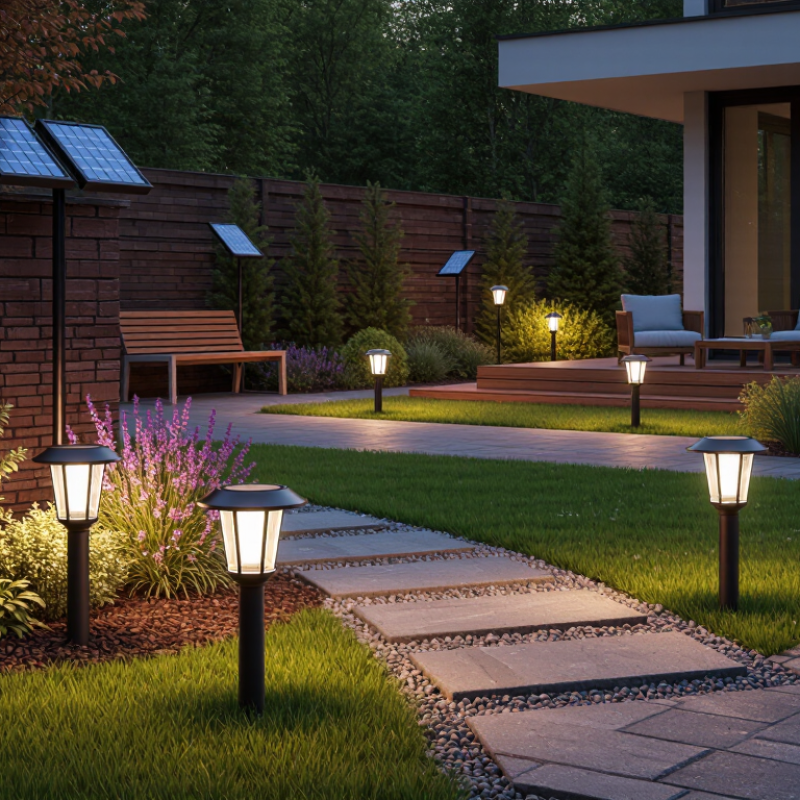
How to Choose Solar Decorative Area Lights?

Define the Purpose and Lighting Needs of the Area

Before choosing solar decorative area lights, decide how the space should work after sunset. A garden path needs visible edges, while a patio may need softer light for conversation. Mark entrances, steps, seating, and dark corners during daylight. Then revisit the area at dusk. It often looks different. Notice where shadows fall and which spots people actually use. This check can prevent choosing lights for appearance alone.

Tips: Measure the area and note how many hours you use it in the evening. Check nearby trees and roof overhangs, since shade can reduce daytime charging. Along steps or busy paths, prioritize steady coverage and sensible spacing over decorative patterns. Near seating, gentler light can feel more comfortable. Avoid assuming that extra fixtures will solve every problem; glare can make a small yard feel harsh.

Consider maintenance and changing weather, too. A dusk sensor may suit a path, while adjustable settings can be useful near a dining area. Think about winter daylight and cloudy weeks, not only sunny afternoons. Solar performance varies with placement, season, and battery condition, so runtime estimates are not guarantees. One detail is easy to miss: the most attractive spot may receive too little sun. Test a fixture in different locations for several days before planning the full layout.

Compare Solar Light Types, Brightness, and Color Temperature

Solar decorative area lights serve different purposes, so match the fixture to the space before comparing output. Stake lights mark a path; wall fixtures wash a patio; hanging lanterns create a small pool of light. If the panel sits in shade, a model with a separate panel may charge more reliably. Placement changes everything.

Compare lumen ratings, not just the number of LEDs. Modest output may suit a garden border, while a broad seating area often needs several fixtures or stronger output. Too much brightness can flatten textures and feel glaring after dark. Check whether the stated brightness is a peak value. Cloudy weather and short winter days can reduce runtime. Treat runtime claims as estimates, not guarantees. Small differences matter.

Color temperature changes mood and visibility. Warm white, around 2200–3000 K, makes stone and wood feel inviting. Neutral white near 4000 K looks clearer around steps and work areas. Cooler light can appear crisp, but may feel stark in a quiet garden. Look at the fixture after sunset if possible; product photos rarely show how light spreads across real paving. That judgment can be imperfect.

Evaluate Solar Panels, Batteries, Materials, and Weather Resistance

Solar decorative lights depend on more than panel size. Check whether the panel receives direct sun for several hours, not just bright-looking shade. NREL’s review of photovoltaic systems reported a median module degradation rate of about 0.5% per year. That figure is not a lifespan guarantee for a small garden light, but it shows why panel quality and aging matter. Keep panels free of dust and fallen leaves.

Battery details matter. Look for the chemistry, capacity, and whether the battery can be replaced. Compare capacity in watt-hours when possible; milliamp-hours alone can mislead because voltage varies. Cold weather can reduce battery performance, while repeated deep discharge may shorten service life. A light that fades before midnight is telling you something. Check its runtime claims against your winter daylight and preferred brightness.

Materials and sealing deserve equal attention. Powder-coated aluminum resists rust, while low-grade metal can mark or pit after wet seasons. For exposed fixtures, check the complete light’s IP rating under IEC 60529, not only the panel’s. IP65 indicates dust-tight protection and resistance to water jets, not submersion. Small details count. Still, a high rating cannot compensate for cracked seals or poor assembly, so inspect joints and cable entry points before installation.

Choose Suitable Locations for Sunlight, Coverage, and Safety

Solar decorative area lights work best where their panels receive steady, unobstructed daylight. Check the spot at different times, not just at noon. A wall, tree canopy, or roof edge may cast longer shadows in late afternoon. Follow the light’s stated charging guidance, since cloudy weather and winter sun can reduce output. Small detail, big difference.

Plan coverage around how people move through the space. Place lights near path turns, steps, gates, and seating edges, then walk the area after dusk to find dark gaps. Spacing depends on brightness, beam direction, and nearby surfaces; pale paving often reflects more light than dark soil. Avoid aiming bright fixtures toward bedroom windows or drivers’ eyes. A quick test with temporary markers can reveal awkward spacing before you install anything.

Safety includes stable mounting and clear walking surfaces. Keep stakes out of likely footpaths, and avoid placing fixtures where mowing or garden tools could strike them. Choose locations that do not collect standing water, and secure wall-mounted units firmly. One common mistake is prioritizing decoration over useful light. The result can look attractive, yet leave a step hard to see. Recheck the layout after plants grow or outdoor furniture moves.

How to Choose Solar Decorative Area Lights

Estimate the geometric beam footprint at different mounting heights. The chart assumes an idealized 120° beam; actual useful coverage depends on the fixture’s optics, light output, and site conditions.

Placement tip: Choose an unobstructed spot that receives the direct sunlight recommended by the product—many solar lights call for around 6–8 hours for charging. Check the fixture’s rated coverage, keep it clear of walkways, and aim it to avoid glare.

Check Installation Requirements, Maintenance, and Long-Term Value

How to Choose Solar Decorative Area Lights?

Before choosing a style, check where the lights can receive direct sunlight. A shaded patio corner may look ideal but leave the battery undercharged. Note nearby trees, roof overhangs, and seasonal changes in daylight. Check the required spacing, mounting method, and ground conditions too. A stake may wobble in loose soil, while a wall-mounted fixture needs a suitable surface. Even careful measurements can miss an obstacle; walk the area at different times of day.

Maintenance affects how well the lights perform over time. Dust, pollen, and bird marks can reduce the sunlight reaching the panel, so wipe it with a soft, damp cloth when needed. Inspect the housing and seals after heavy rain or freezing weather. Batteries do not last forever. Check whether replacements are available and easy to install before buying. This detail is easy to overlook.

Consider long-term value, not just the purchase price. Compare expected battery life, replacement-part availability, and the warranty terms. A sturdy fixture may cost more upfront but need fewer repairs. Still, no solar light can overcome a consistently shaded site. If winter days are short, brightness or runtime may fall. That trade-off is worth considering before you plan lighting for a path or seating area.

How to Choose Solar Decorative Area Lights? — Check Installation Requirements, Maintenance, and Long-Term Value

Light Type Typical Installation Requirements Typical Light Output and Runtime Routine Maintenance Long-Term Value Considerations Best Suited For
Solar pathway stakes Push into stable soil along a path. Choose a location where the panel receives several hours of direct sunlight; avoid placing stakes where they will be shaded by plants or structures. Usually provide low-level accent lighting, commonly around 5–50 lumens per light. Many models are designed for roughly 6–10 hours after a sufficiently sunny day; actual runtime varies with weather, season, and battery condition. Wipe the panel clean, remove leaves or snow, check that stakes remain upright, and replace rechargeable batteries when runtime noticeably declines. Simple installation keeps setup costs low. Individual units can be replaced easily, but multiple lights may be needed for a consistent path effect. Garden borders, walkways, and decorative path marking.
Solar post-cap lights Require a compatible post top or mounting adapter. Measure the post before buying and position it in an area with good daylight exposure. Generally intended for gentle perimeter or seating-area illumination rather than task lighting. Output and overnight duration differ widely by design and battery size. Clean the top-mounted panel and diffuser periodically. Check fasteners and seals, especially after storms or freeze-thaw weather. Can add lighting without trenching or wiring. Value depends on a secure fit, weather-resistant construction, and replaceable batteries or parts. Deck posts, fence posts, and low-level outdoor accents.
Solar wall-mounted decorative lights Fasten to a wall or fence with suitable screws and anchors. Confirm the surface can support the fixture and that the panel is not shaded; some designs use a separate panel connected by a cable. Decorative models often produce modest ambient light; brighter models may provide more. A separated panel can be positioned for better charging, while an integrated panel must face adequate sunlight. Clean the panel and lens, inspect mounting hardware, and check cable connections and weather seals where applicable. Useful where wiring is inconvenient. A separately positioned panel may improve charging on shaded walls, but adds cable routing and installation effort. Entryways, fences, garden walls, and outdoor seating areas.
Solar string lights Plan anchor points and span length before installation. Place the solar panel in direct sunlight and secure the cable so it does not create a trip or snag hazard. Designed mainly for decorative ambience rather than illuminating a large area. Runtime depends on the panel, battery, selected lighting mode, and available sunlight. Clean the panel, check clips and cable insulation, and store or protect the string when severe weather or seasonal conditions could damage it. Flexible placement can make them effective for patios and pergolas. Long spans may require additional supports; assess whether bulbs or parts can be replaced individually. Patios, pergolas, balconies, and outdoor gatherings.
Solar lanterns and hanging lights Set on a stable surface or hang from a rated hook. Keep the panel clear of shade, and make sure hanging hardware is secure and suitable for outdoor exposure. Usually offer localized decorative light rather than broad-area coverage. Some models provide selectable brightness or modes, which can affect operating time. Wipe the panel and enclosure, check hanging points, and keep vents or drainage openings clear according to the product instructions. Portable models are easy to reposition seasonally. A durable enclosure and replaceable battery can reduce replacement frequency. Tabletops, porches, garden hooks, and small outdoor seating areas.

Selection note: Performance figures are typical guidance, not guarantees. Shade, latitude, season, panel orientation, battery age, temperature, and lighting mode all affect charging and runtime. For dependable area illumination, compare measured lumen output and coverage rather than relying on appearance alone.

FAQS

What type of solar light suits different outdoor areas?

Stake lights can mark paths, wall fixtures can brighten patios, and hanging lanterns can create a small pool of light.

How should I compare brightness?

Compare lumen ratings, not the number of LEDs. A garden border may need modest output, while a seating area may need several brighter fixtures. Too much light can feel glaring.

What color temperature works well outdoors?

Warm white, around 2200–3000 K, can make wood and stone feel inviting. Neutral white near 4000 K can help illuminate steps. Cooler light may feel stark.

Where should solar lights be placed for reliable charging?

Choose spots with steady daylight on the panels. Check them in the morning and afternoon; trees or roof edges may cast longer shadows later. Shade changes things.

How can I check whether a layout covers paths safely?

Place lights near turns, steps, gates, and seating edges. Walk the area after dusk and look for dark gaps. Temporary markers can help test spacing.

What installation details should I consider?

Check the ground and mounting surface. Stakes may wobble in loose soil, while wall fixtures need firm support. Keep lights clear of footpaths and garden tools.

How do I maintain solar decorative lights?

Wipe dusty panels with a soft, damp cloth. Inspect housings and seals after heavy rain or freezing weather. Remember, batteries wear out.

What affects long-term value and runtime?

Compare battery life, replacement-part availability, and warranty terms, not just purchase price. Cloudy weather and short winter days can reduce runtime. Claims are estimates.

Should I trust product photos to judge the light?

Not entirely. Photos may not show how light spreads across real paving. If possible, check the fixture after sunset; that judgment can still be imperfect.

Conclusion

Choosing Solar Decorative Area Lights starts with understanding how the space will be used, whether for welcoming guests, highlighting landscape features, or improving visibility along a path. Consider the area’s size and the brightness needed, then compare available light styles, beam coverage, and color temperatures to create the right balance of atmosphere and practicality.

Before choosing, review the solar panel and battery capacity, construction materials, and resistance to rain, wind, and changing temperatures. Place lights where their panels can receive ample sunlight and where their coverage supports safe movement without unwanted glare. Finally, check how easy the lights are to install and maintain, and consider their expected performance over time. A thoughtful comparison of these factors can help you select attractive, dependable lighting that suits both the space and your long-term needs.

Charlotte

Charlotte

Charlotte is a dedicated marketing professional with a strong understanding of the company’s products, services, and customer-focused solutions. With a thoughtful approach to communication and a keen eye for industry trends, Charlotte regularly contributes expert articles to the company’s......