0%

A business can lose hours of work when a storm, remote location, or unstable grid leaves a loading bay dark. Off-Grid Commercial Lighting offers another path: solar panels, batteries, efficient fixtures, and controls designed to operate without routine grid power. The right system is not simply the brightest one. It must deliver dependable light where staff walk, load goods, or secure equipment, even after cloudy days.

Energy-efficiency expert Amory Lovins is often credited with the reminder, “The cheapest energy is the energy you don’t use.” That principle matters here. Efficient LEDs and occupancy controls can reduce battery demand, but sizing still needs care. A small panel may look adequate on a sunny afternoon and disappoint through a week of rain. Details matter.

This guide compares 10 commercial systems by practical criteria: light output, battery capacity, charging performance, installation needs, durability, and maintenance. It also considers where each option fits, from parking areas to warehouses and work yards. No single product suits every site. A fixture that works beautifully beside a storefront may not illuminate a wide yard evenly. And specifications do not tell the whole story; local weather, mounting height, and operating hours can change results. We’ll look closely, and keep the trade-offs visible.
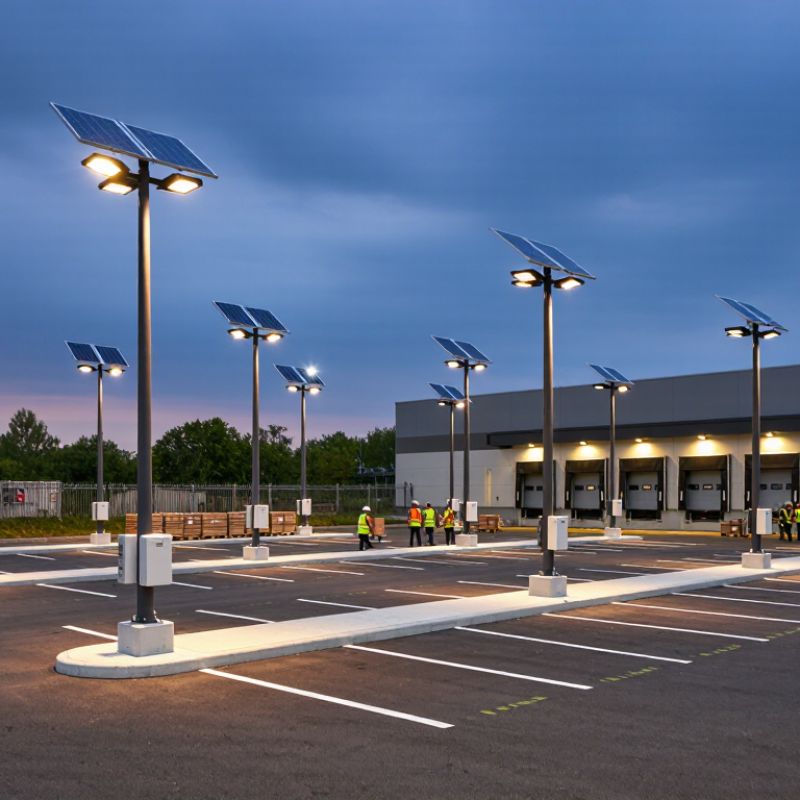
10 Best Off Grid Commercial Lighting Systems for Businesses

Understanding Off-Grid Commercial Lighting Systems

10 Best Off Grid Commercial Lighting Systems for Businesses

Understanding Off-Grid Commercial Lighting Systems

Off-grid commercial lighting systems provide illumination without a continuous utility connection. A typical setup combines solar panels, a charge controller, batteries, efficient fixtures, and sometimes a backup power source. Each part affects reliability. A warehouse aisle, loading area, and roadside sign need different brightness levels and operating hours. Start by estimating light requirements and nightly runtime. Then check seasonal sunlight, shade from nearby structures, and likely cloudy periods. Battery capacity should reflect poorer conditions, not just a sunny summer week.

Correct sizing takes more than matching panel output to fixture wattage. Businesses should consider installation location, battery temperature, expected service life, and access for maintenance. For example, a shaded loading bay may need repositioned panels or a different system layout. Motion controls can reduce energy use in areas with intermittent traffic, but they may not suit every task. Review the plan with a qualified lighting professional, especially where consistent visibility supports safe work. Even careful estimates can miss real usage patterns; tracking energy consumption after installation helps reveal what needs adjustment.

Key Requirements for Business Lighting Without Grid Power

Businesses planning lighting without grid power should begin with the work being done, not the fixture. A loading bay needs clear visibility across doors, vehicle paths, and floor markings. An outdoor sign has different needs. Estimate operating hours, required light levels, and seasonal daylight before choosing a system. Then calculate the energy demand and battery capacity, allowing for cloudy days and shorter winter sunlight. A paper estimate can still miss real conditions, so review it after installation.

Equipment must suit its surroundings. Check for rain, dust, temperature swings, vibration, and possible shade from nearby buildings or trees. Place solar panels where they receive dependable sunlight, and make batteries accessible for inspection. Motion sensors and dimming can reduce energy use, but test them during actual business hours. Lights that switch off too quickly may frustrate staff or leave a work area dark. Ask a qualified electrical professional to verify wiring, protection, and applicable local requirements.

Tips: Walk the site at night before setting fixture locations. Keep a simple log of cloudy-day performance and battery charge. If lighting falls short, adjust the layout or schedule before adding equipment. Real sites are messy; one shaded corner can change the plan.

Off-Grid Commercial Lighting: Nightly Energy Demand

Estimated energy use for commercial LED lighting at different fixture counts.

Illustrative calculation: 50 W per fixture × 10 operating hours per night. Energy use ranges from 5 to 50 kWh per night for 10 to 100 fixtures. Actual off-grid system sizing should also account for battery autonomy, inverter and wiring losses, and local solar conditions.

Ten Off-Grid Lighting Systems for Different Business Needs

Off-grid commercial lighting is not one-size-fits-all. The right system depends on work hours, mounting points, and how long darkness lasts. All-in-one solar path fixtures suit short walkways; split-panel pole lights can serve parking rows where panels need better sun exposure. Solar floodlights cover yards and loading areas, while canopy fixtures illuminate vehicle bays without trenching cables. Remote-panel lights help at shaded entrances. Small details matter. Check ground-level coverage after dark, not only the fixture’s rated output.

For interiors, solar high-bay units fit compact workshops; a low-voltage DC microgrid can serve several outbuildings. Portable solar light towers work at temporary job sites, and wind-solar hybrids may suit consistently breezy, low-sun locations. Modular battery systems can keep essential fixtures running through cloudy periods. Generator backup adds resilience where lighting interruptions would stop operations.

Before choosing, record nightly operating hours, winter sunlight, and the tasks that need reliable light. I would not size a system from one sunny afternoon. Ask for documented runtime at expected dimming levels, battery replacement assumptions, and a site layout showing dark spots. Bigger batteries provide more reserve, but they also raise costs and maintenance needs.

Comparing Performance, Costs, and Power Sources

Off-grid commercial lighting systems differ most in how reliably they deliver light after sunset. Solar pole lights suit parking lots and pathways, while canopy fixtures keep loading areas bright beneath roofs. Compare measured illumination at ground level, not just a fixture’s advertised output. A bright patch can still leave dark gaps. Small details matter.

Solar-only systems typically have lower fuel and routine servicing needs, but their performance depends on panel exposure, season, and battery capacity. Check expected runtime across cloudy days and cold nights. Battery-backed LED systems can provide steady output, though replacing batteries adds a real long-term cost. Wind-solar hybrids may help at exposed sites, but their moving parts and local wind conditions complicate maintenance. They are not always a bargain.

For remote work zones, portable solar lighting towers are easier to reposition than fixed poles. Hybrid systems with a generator can offer backup where interruptions are costly, but fuel, noise, and servicing raise operating expenses. Compare total installed cost, battery replacement, expected light output, and cost per useful hour over several years. Ask suppliers for site-specific calculations and test readings after installation. A paper estimate may miss tree shade, dust, or a poorly aimed fixture. That part is easy to overlook.

Planning Installation, Operation, and Maintenance

Planning begins with a night-time load audit, not a product list. Record each fixture’s wattage, operating hours, and critical task. The U.S. Energy Information Administration’s 2012 Commercial Buildings Energy Consumption Survey attributed 17% of commercial-building electricity use to lighting. Off-grid sites must budget that demand against local winter sun, shade, and cloudy-day reserves. Small errors compound.

During installation, aim fixtures at work surfaces and walkways, then check glare from actual staff positions. Separate essential safety lighting from optional displays, and give circuits clear labels. The U.S. Department of Energy reports that LEDs use at least 75% less energy and can last up to 25 times longer than incandescent lighting. That comparison is useful, but it does not predict battery life or site performance. A simple load test after installation can expose surprises.

Operation and maintenance need named owners and a calendar. Review battery state, controller alerts, and overnight runtime monthly; clean panels when dust or leaves reduce exposure. Keep spare fuses and compatible connectors on site. A runtime log helps spot gradual changes before a dark shift does. Yet forecasts remain imperfect: unusual weather, new operating hours, or one added freezer can upset the original design. Recalculate loads after major changes, rather than trusting last year’s assumptions.

FAQS

What does an off-grid commercial lighting system typically include?

It usually combines solar panels, a charge controller, batteries, and efficient light fixtures. Some sites also need backup power.

How should a business estimate its lighting needs?

List each fixture’s wattage, operating hours, and task. A loading bay and an outdoor sign need different light levels.

How much battery capacity should a system have?

Allow for cloudy days, winter sunlight, and expected runtime. Sunny-week estimates can be misleading.

Where should solar panels be installed?

Choose a spot with dependable sunlight and limited shade. A nearby tree can change the results.

Can motion sensors reduce energy use?

Yes, in areas with intermittent traffic. Test them during real work hours; lights switching off too soon can frustrate staff.

What should businesses check during installation?

Aim fixtures at work surfaces and walkways. Check glare from staff positions, label circuits, and have a qualified professional verify the electrical setup.

How often should the system be inspected?

Review battery condition, controller alerts, and overnight runtime monthly. Clean panels when dust or leaves block sunlight.

What can an energy log reveal?

It can show outages, shorter runtime, or gradual changes in battery charge. Real usage may differ from the original estimate.

Do efficient fixtures guarantee long battery life?

No. Efficient fixtures can reduce demand, but battery life also depends on system sizing, weather, and operating hours. Each site behaves differently.

Conclusion

This guide explores how Off-Grid Commercial Lighting can help businesses provide dependable illumination without relying on utility power. It outlines the key requirements for choosing a system, including light output, operating hours, site conditions, energy storage, and reliability. It also introduces ten types of lighting solutions suited to different commercial needs, from outdoor areas and pathways to workspaces and remote facilities.

The guide compares system performance, costs, and power sources to help businesses weigh practical options for their sites and budgets. It also explains how to plan installation, manage daily operation, and maintain equipment over time. By considering energy needs and maintenance requirements before choosing a solution, businesses can select an off-grid lighting system that supports safe, efficient, and consistent operations.

Charlotte

Charlotte

Charlotte is a dedicated marketing professional with a strong understanding of the company’s products, services, and customer-focused solutions. With a thoughtful approach to communication and a keen eye for industry trends, Charlotte regularly contributes expert articles to the company’s......